Researchers and purchasing institutions are responsible for ensuring that all handling, storage, and experimental use of this compound complies with applicable federal, state, and institutional regulations governing laboratory research materials.
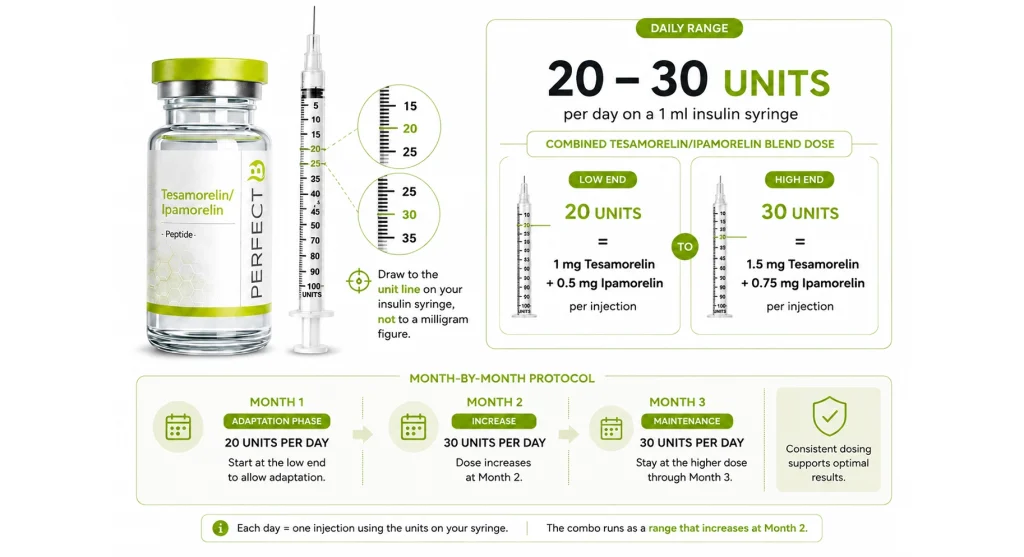
Typical doses range from 200 to 500 micrograms per day
Other common dyes, e.g., FD&C red 40, FD&C red 3, FD&C yellow 5, FD&C yellow 6, FD&C blue 1, FD&C blue2, FD&C green 3, fluorescence dyes (e.g., Fluorescein isothiocyanate, rhodamine, Alexa Fluors, DyLight Fluors) and/or dyes that are visualizable in conjunction with non-invasive imaging techniques such as MRI, CAT scans, PET scans or the like (e.g., Gadolinium-based MRI dyes, iodine-base dyes, barium-based dyes or the like) are also contemplated for use with any otic formulation or composition described herein
The severity of side effects varies based on dosage and individual response
Peptides are awesome and amazing