& Layer, P
Consequently, cells have developed autonomous surveillance strategies to monitor intracellular resources and adjust metabolic flux to meet their energetic demands
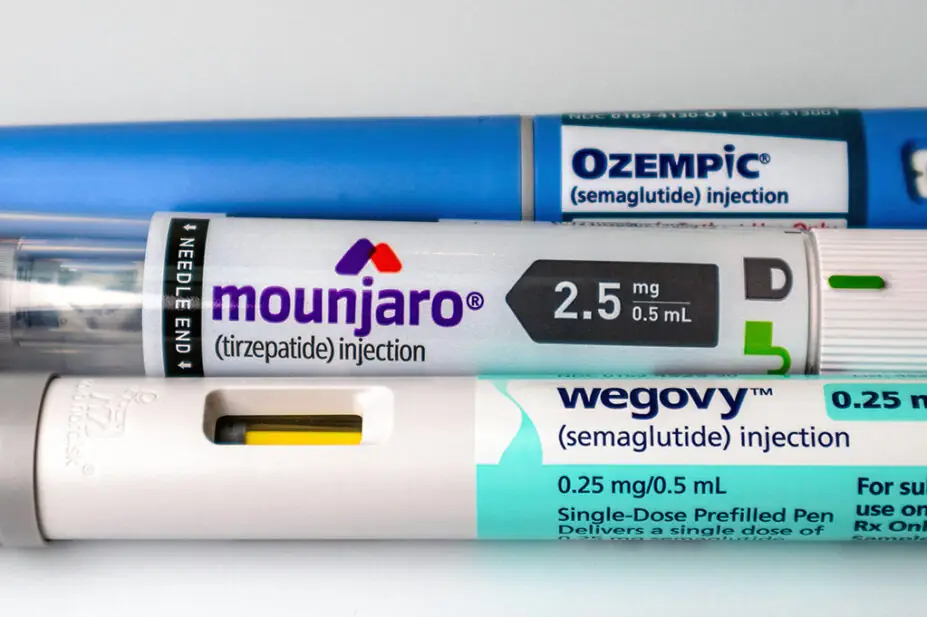
When this hormone binds to receptors in the brain, pancreas, stomach, and elsewhere, several things happen: Appetite is significantly reduced, with many patients reporting a dramatic decrease in food cravings Gastric emptying slows, meaning food stays in the stomach longer and fullness is sustained after smaller meals Blood sugar regulation improves, reducing the energy spikes and dips that typically drive overeating Interest in high-calorie and highly processed foods often reduces, an effect many patients describe as the food noise quietening Mounjaro (tirzepatide) adds a second mechanism by also activating the GIP receptor
1,344 Holistic management Both the uACR and eGFR are two common and easily performed markers for early diagnosis and monitoring of CKD progression and should be assessed annually for all patients with T2D, and 14 times per year for patients with established CKD to monitor the development of renal function
Cakmak H, Ilyasoglu-Buyukkestelli H, Sogut E, Ozyurt VH, Gumus-Bonacina CE, Simsek S






:max_bytes(150000):strip_icc()/benefits-of-glutathione-89457_final-01-502464fe91b2444285b0cccf8cb0a33c.png)