Targeted antimicrobials or herbal decontamination when clinical patterns suggest dysbiosis
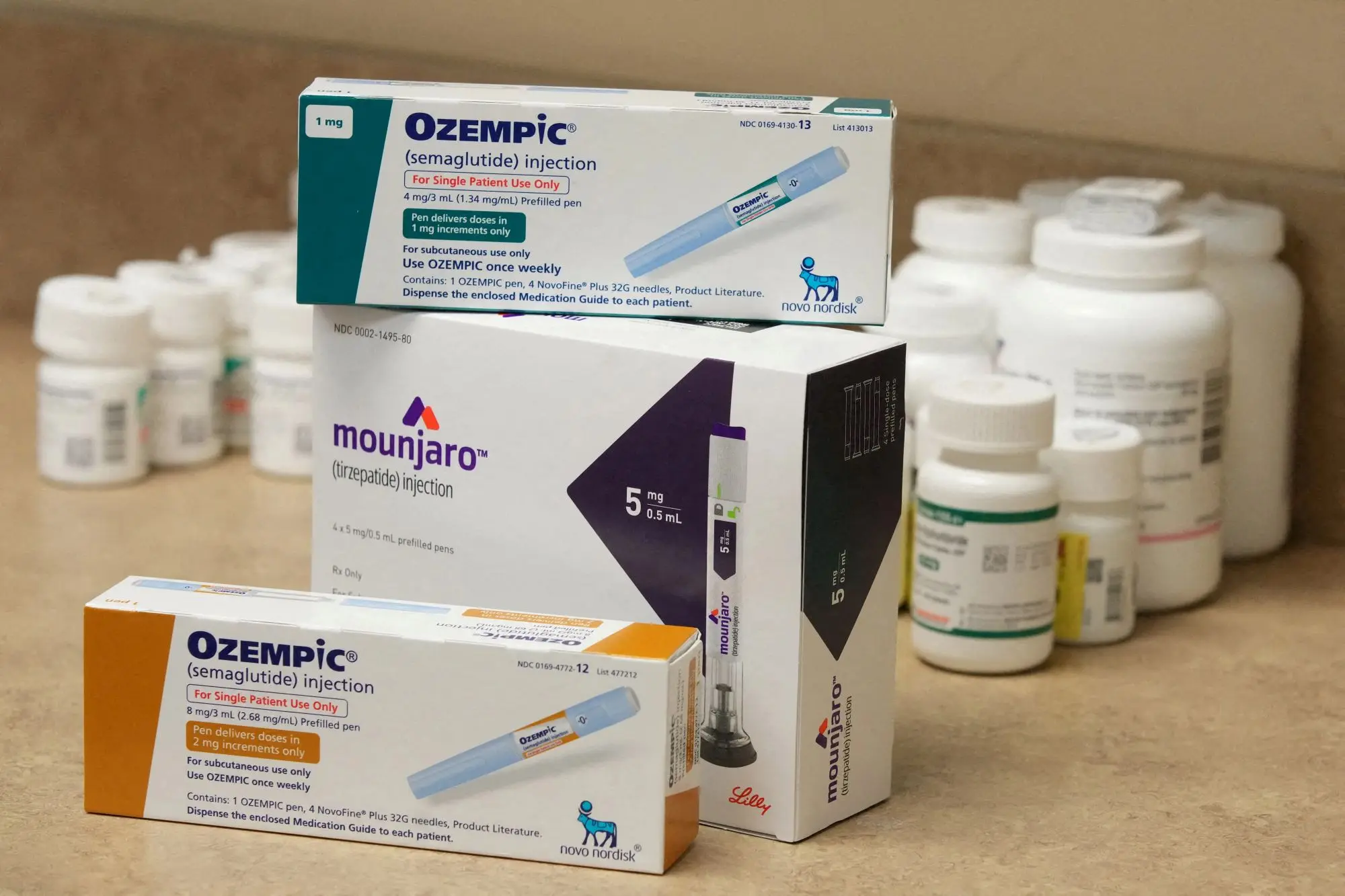
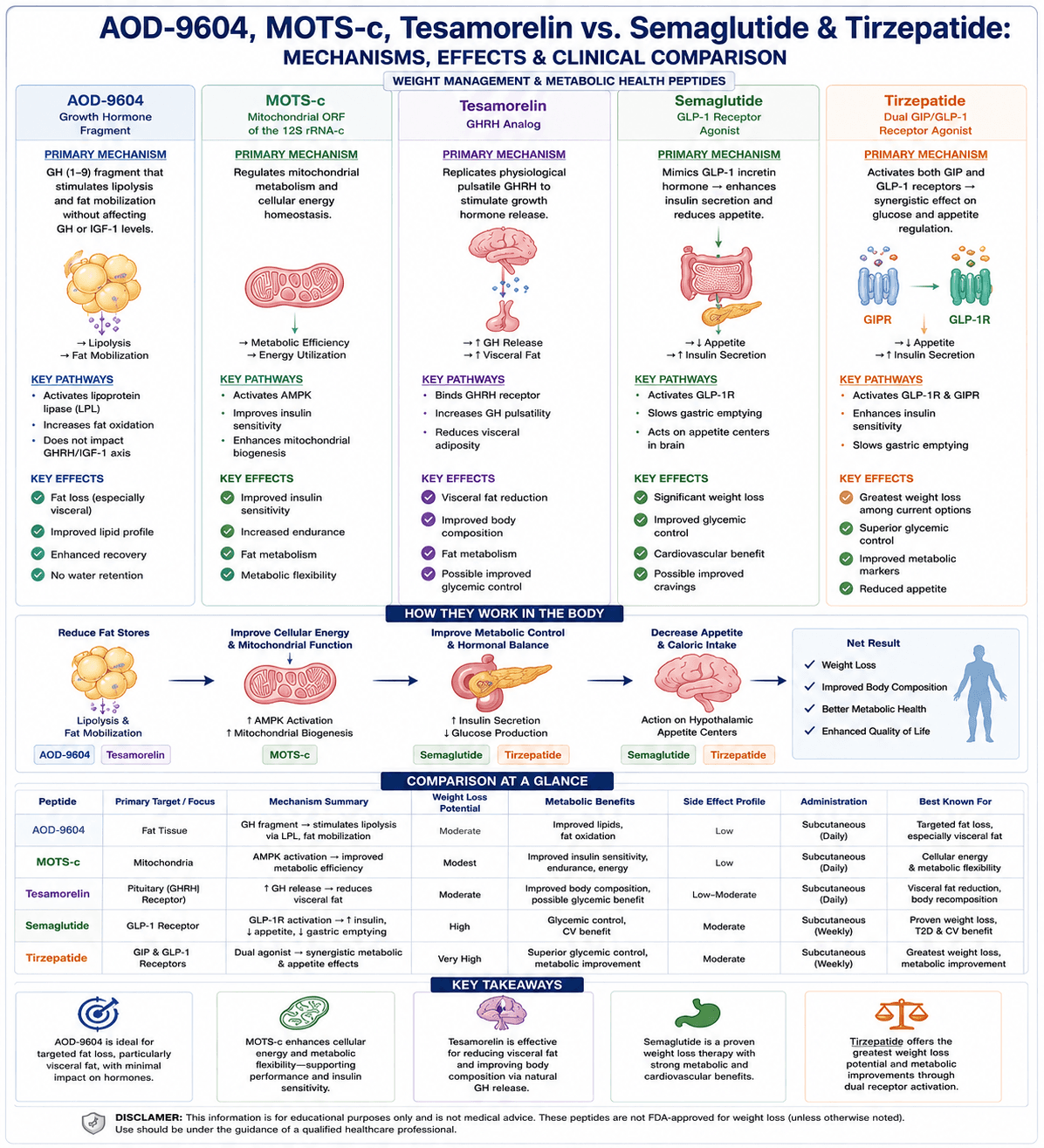
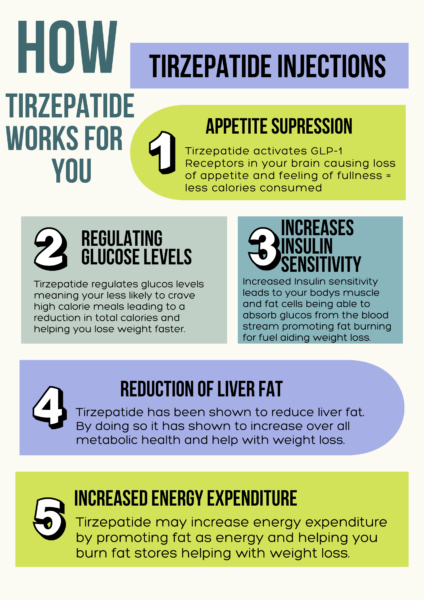
Do GLP-1s really help you lose weight
By entering your vial size, the amount of bacteriostatic water you are adding, and your intended dose, the calculator instantly provides the concentration, volume per injection, and total doses available

Common causes of lymphadenopathy that may coincidentally occur during GLP-1 treatment include: Viral or bacterial infections : Upper respiratory tract infections, pharyngitis, dental infections, and other common illnesses frequently cause reactive lymph node enlargement, particularly in the neck, jaw, or armpit regions Localised skin infections or inflammation : Cellulitis, abscesses, or infected wounds near lymph node chains can trigger regional lymphadenopathy Systemic infections : Conditions such as infectious mononucleosis (glandular fever), cytomegalovirus, or toxoplasmosis may present with generalised lymph node swelling Immune-mediated conditions : Rheumatoid arthritis, lupus, and other autoimmune disorders can cause lymphadenopathy Malignancy : Lymphomas, leukaemias, or metastatic cancer may present with persistent or progressive lymph node enlargement Recent vaccination : Transient lymph node enlargement in the region draining the vaccination site is a common benign reaction It is worth noting that injection site reactions are recognised side effects of GLP-1 medications, typically manifesting as localised redness, swelling, or discomfort at the injection site rather than distant lymph node enlargement

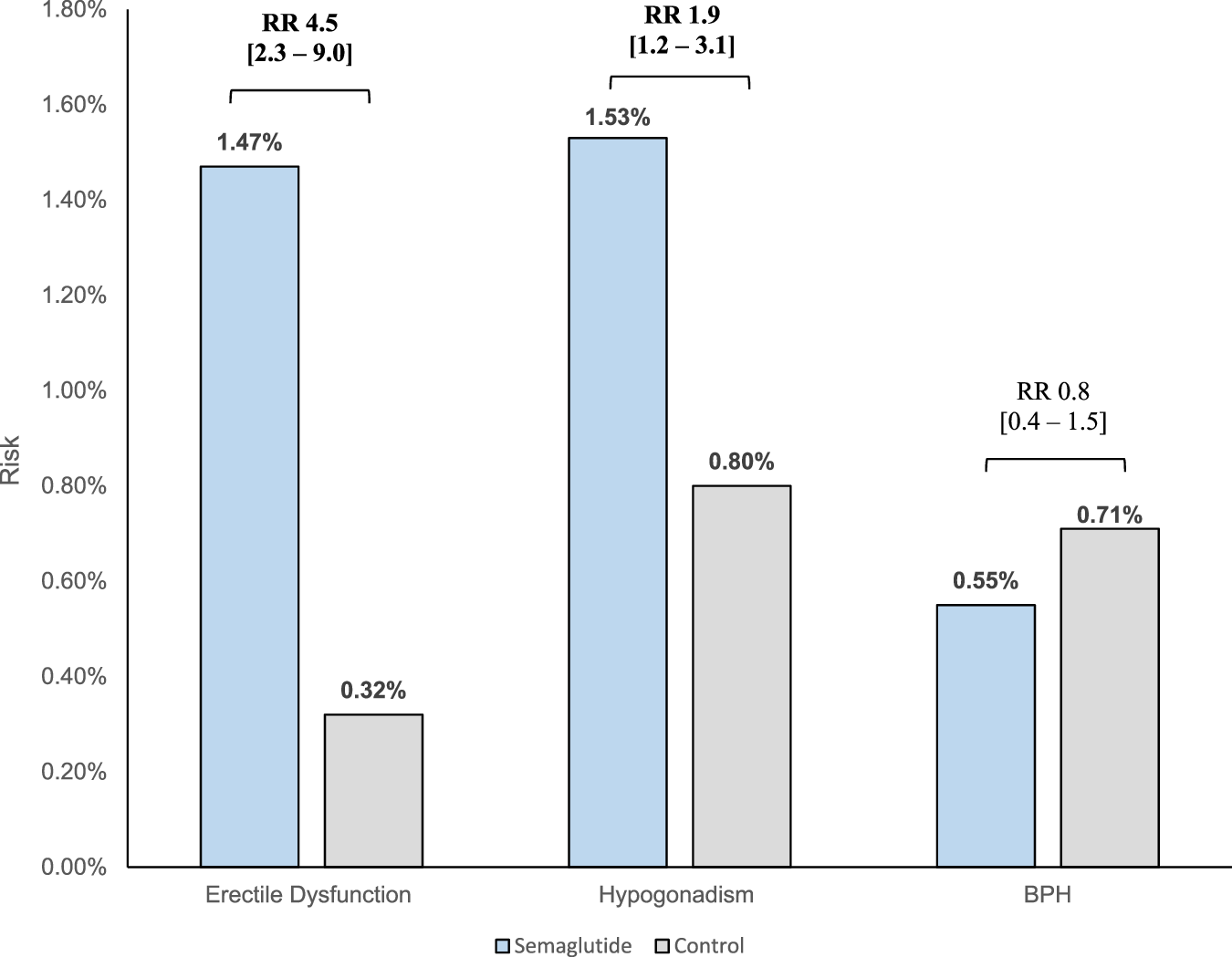
The testosterone conversation often becomes an excuse for inaction