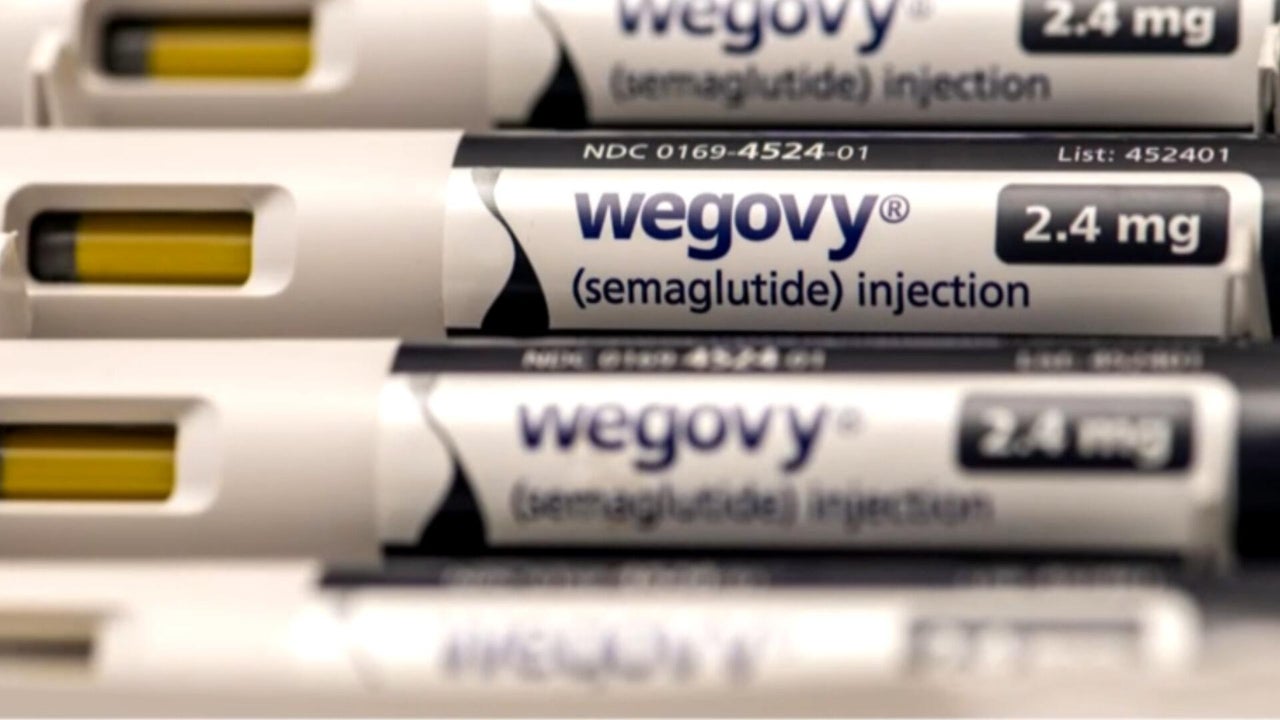
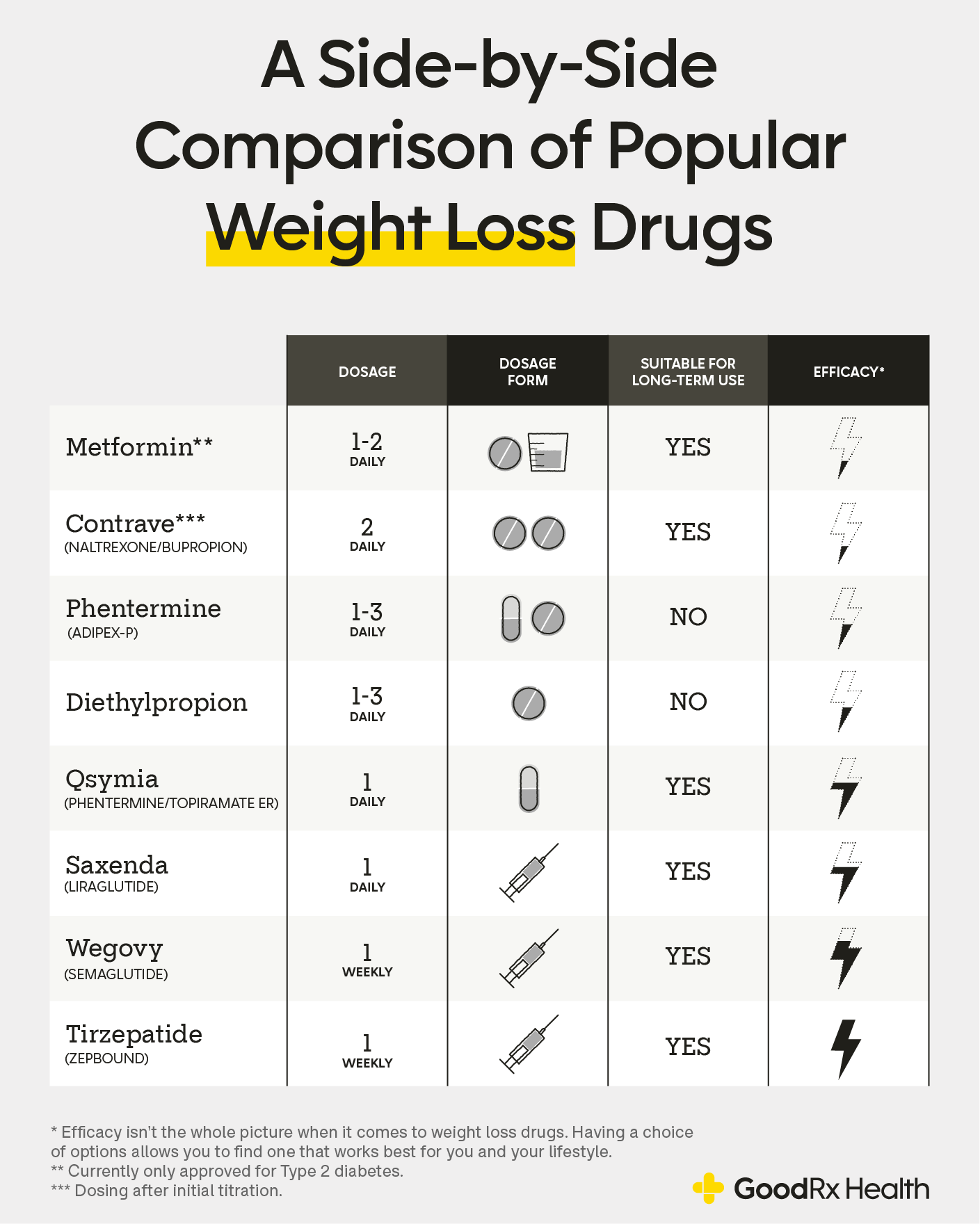
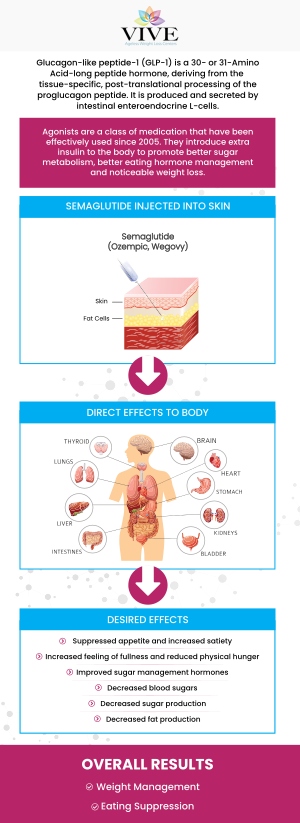
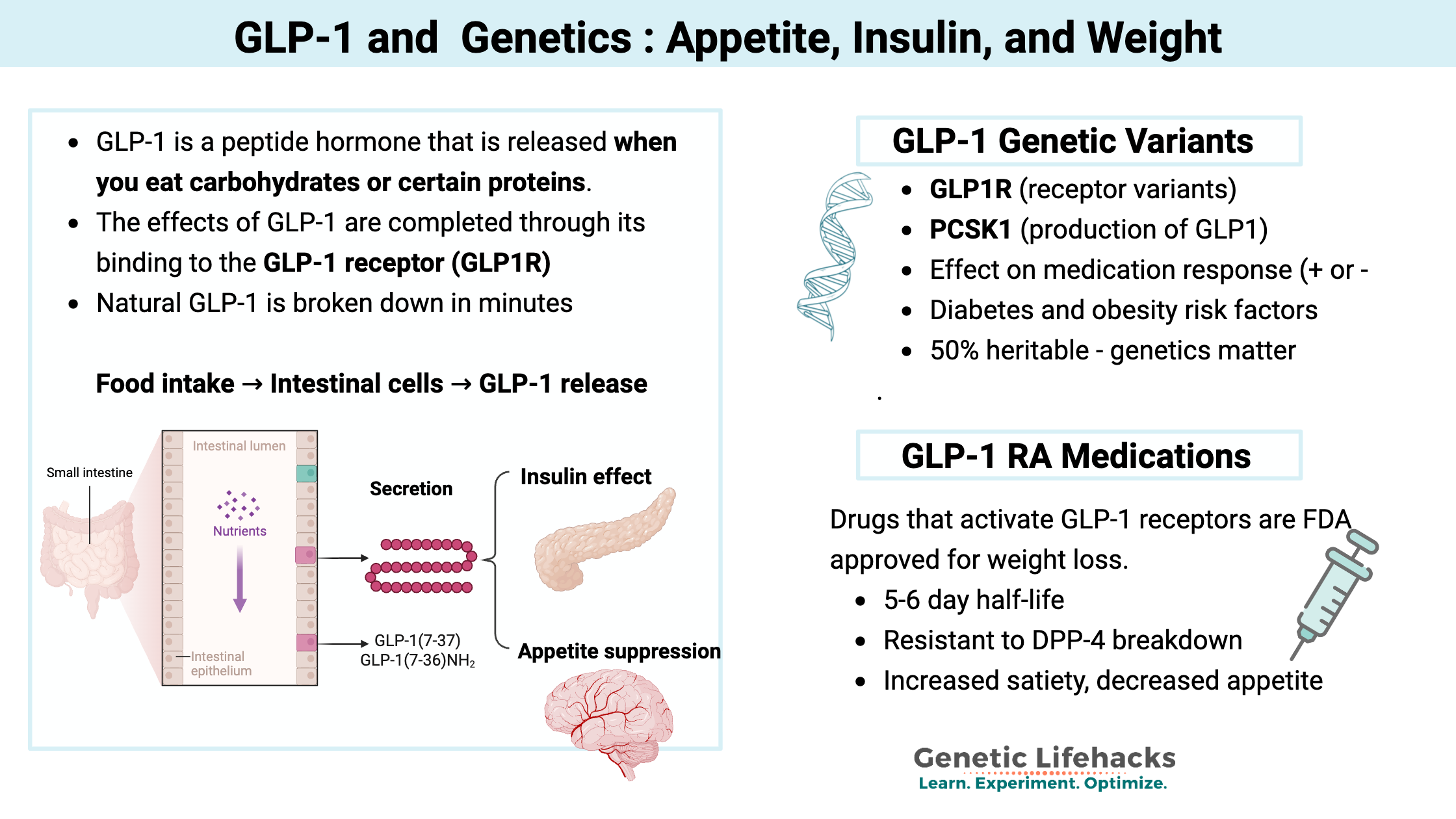
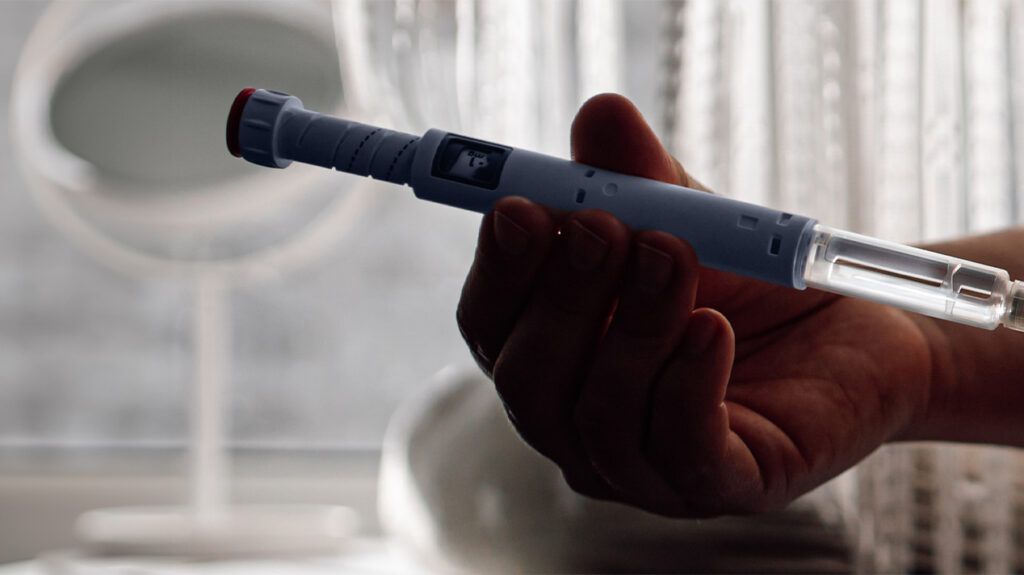
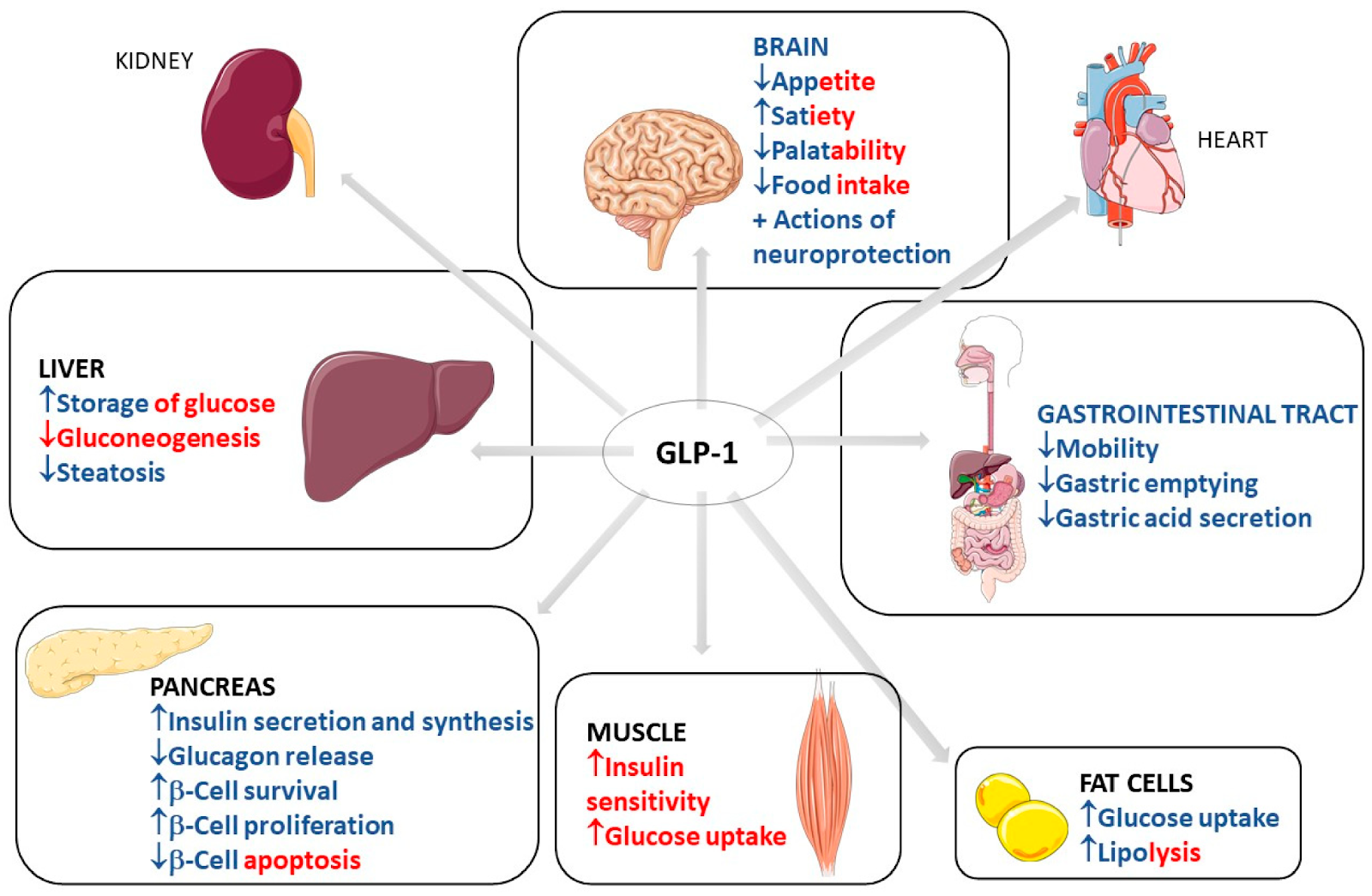
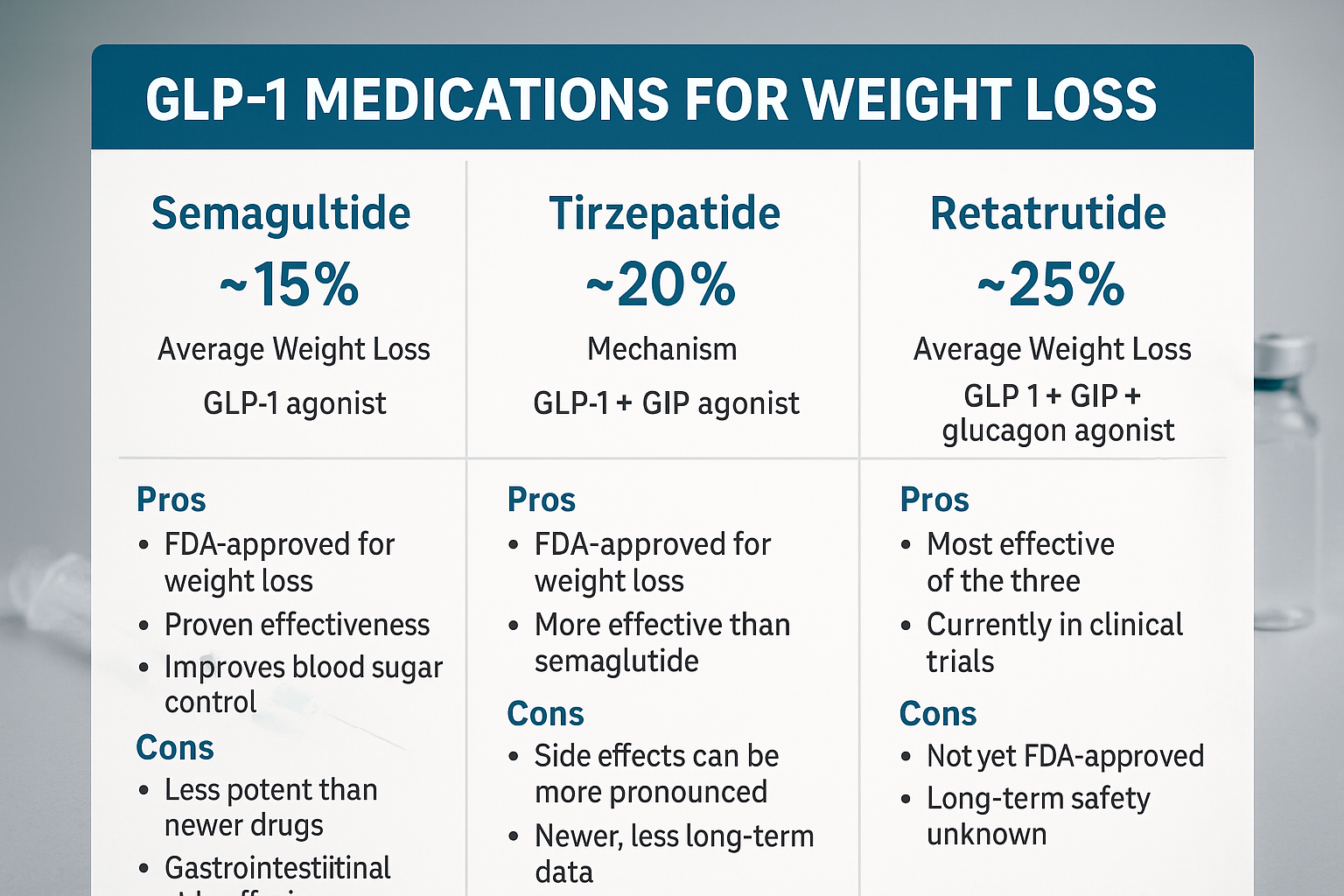
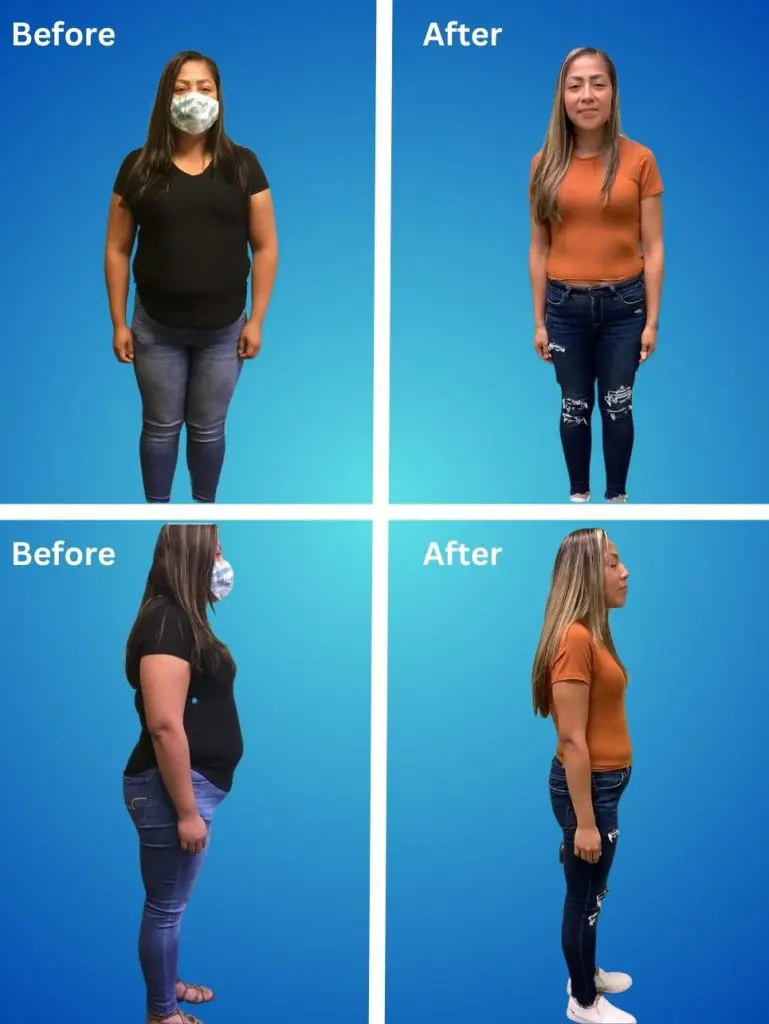
Further weight loss (1015 kg) extends benefits to conditions like sleep apnoea, acid reflux, and osteoarthritis while exceeding 15 kg is strongly linked to type 2 diabetes remission and improved cardiovascular function.[17] Approved anti-obesity medications, like orlistat, liraglutide, naltrexone-bupropion, and phentermine-topiramate, offer modest weight loss (35 kg).[17] Liraglutides 3 mg/day injection leads to an 8% reduction after one year.[18] Semaglutide achieves up to 16% weight loss with a weekly 2.4 mg subcutaneous injection over a year.[19,20,21] Tirzepatide, a dual GIP and GLP1RA, exhibits an 11.9% to 12.4% weight reduction at 10 mg and 15 mg doses per week over 618 months.[22,23] In this context, our meta-analysis highlights the impressive weight loss achieved with cagrilintide-based therapies, particularly with cagrisema 2.4/2.4 mg, which was noted to be superior to semaglutide 2.4 mg in terms of both percentage and absolute weight loss over a 6-month clinical use period, albeit at the expense of increased gastrointestinal side effects
The role of PARP-1 and PARP-2 enzymes in metabolic regulation and disease
& Margolina A
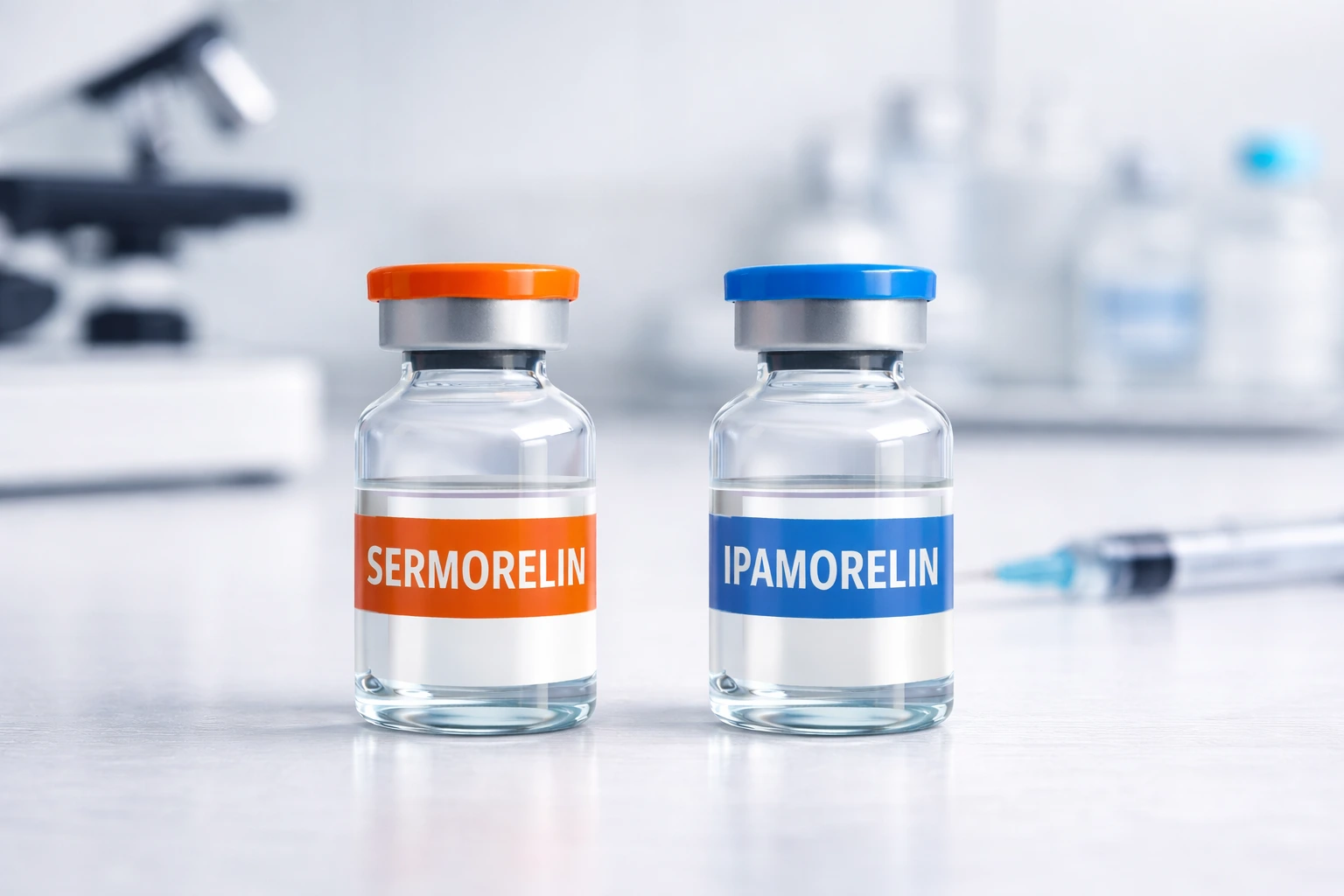
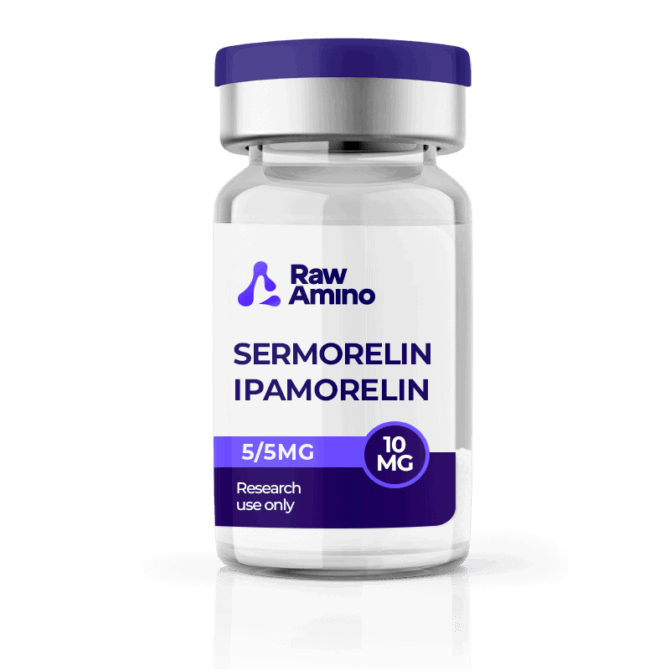
Sermorelin CJC 1295 and Sermorelin both act as GHRH analogs, meaning they stimulate GH release naturally
Nature 340:245246 Kim S-Y, Tachioka Y, Mori T, Hakoshima T (2016) Structural basis for autoinhibition and its relief of MOB1 in the Hippo pathway