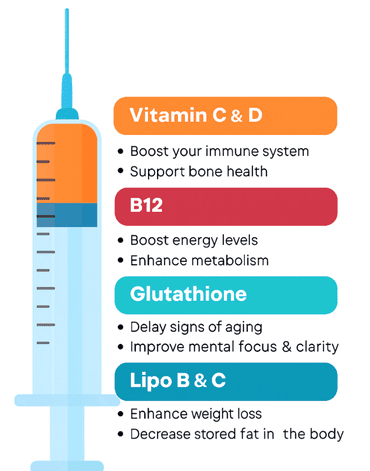
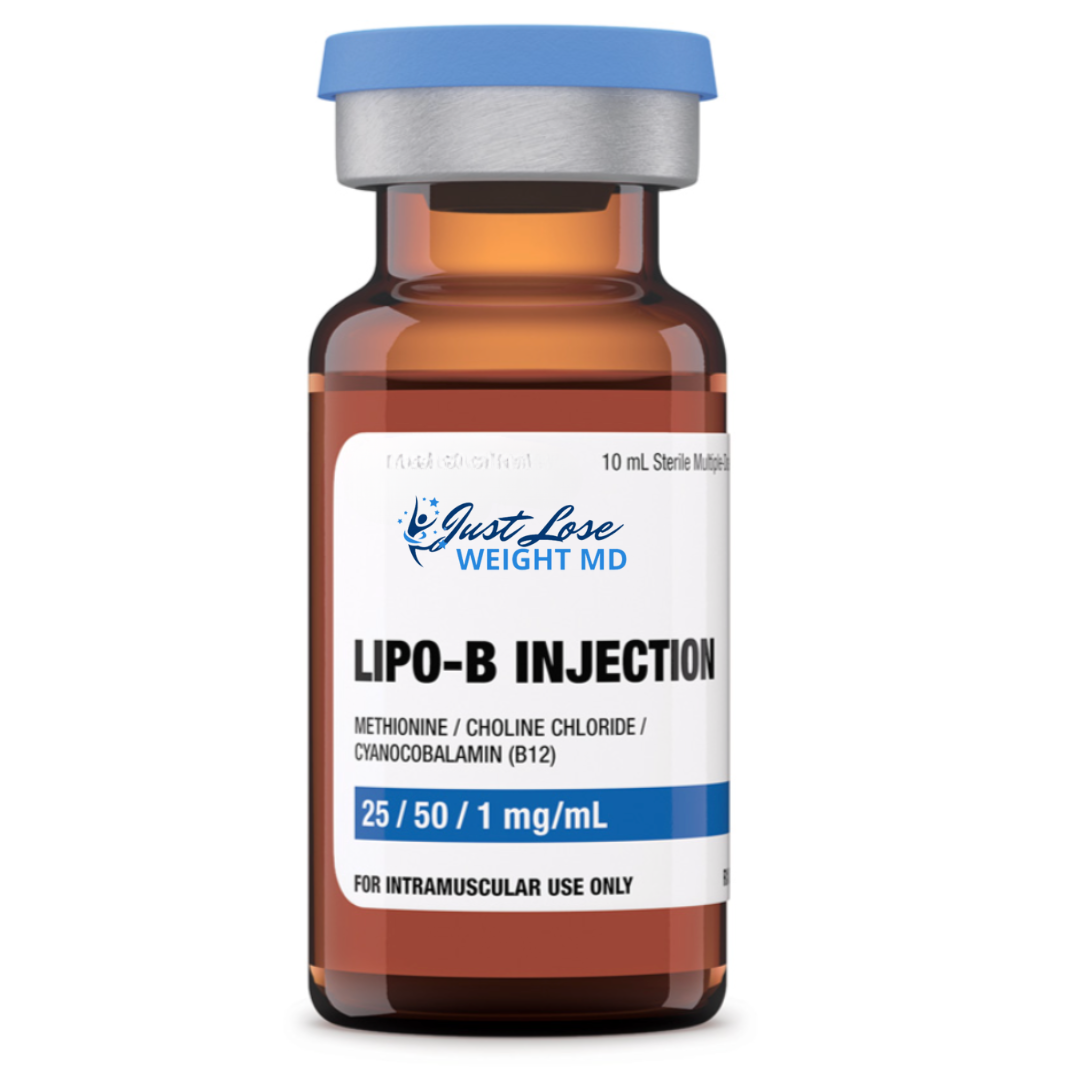
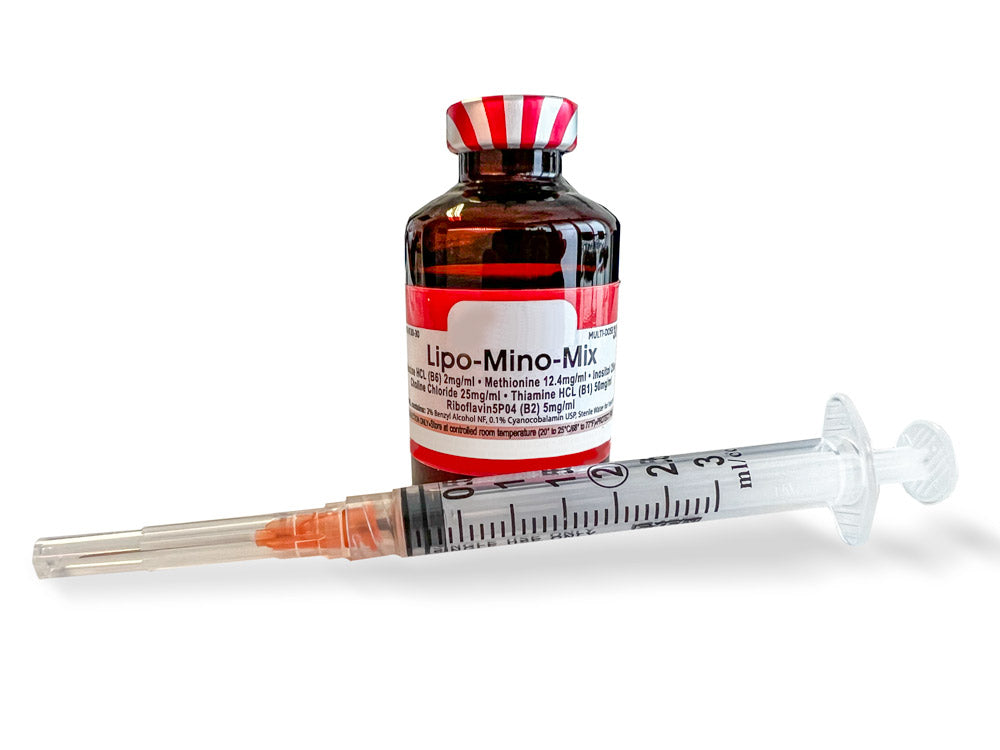
Inositol, a vitamin-like substance, aids in regulating insulin and serotonin levels, contributing to mood enhancement and appetite control
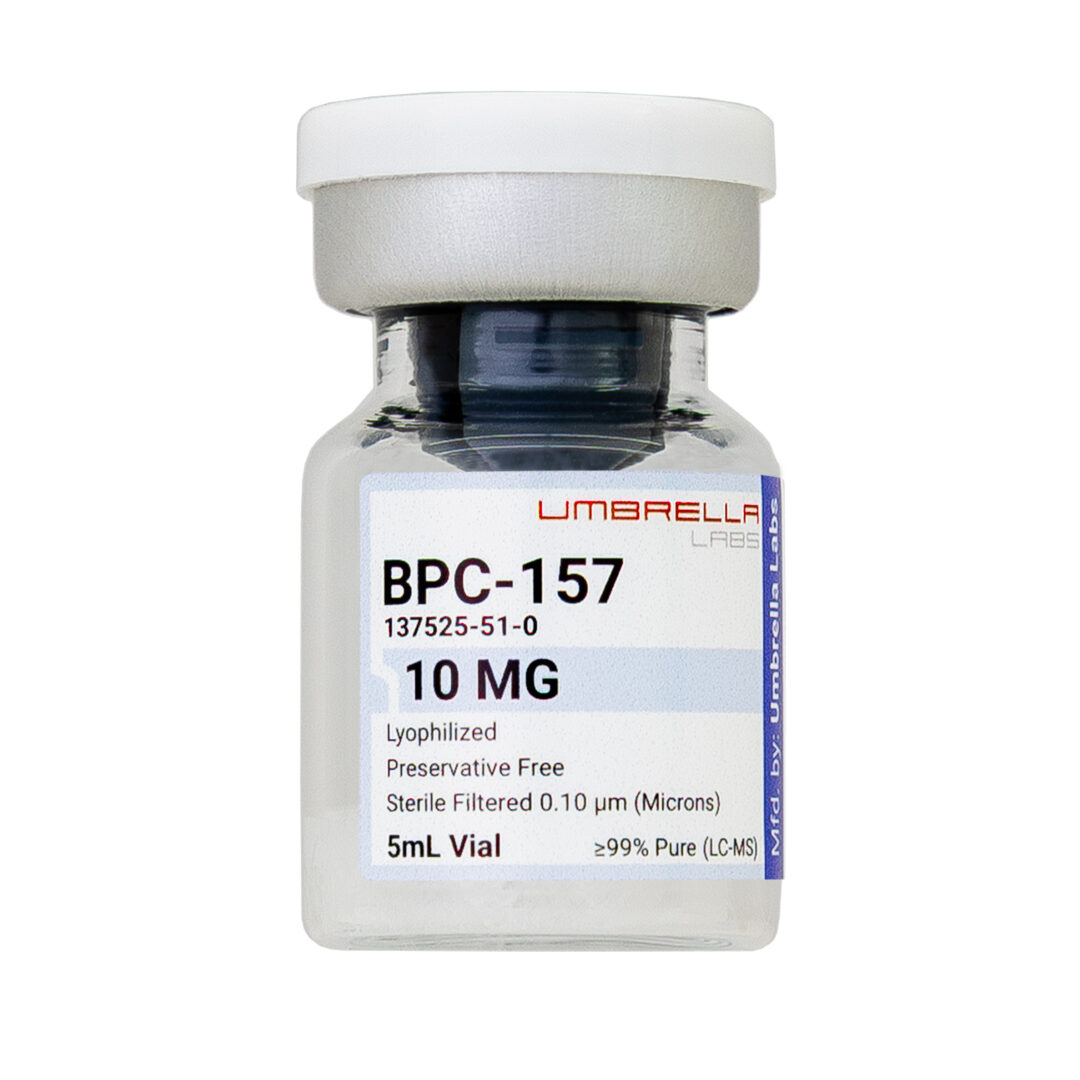
Benefits of BPC-157 Speeds Healing of Soft Tissue: Accelerates recovery from muscle tears, tendon injuries, ligament sprains, and joint damage
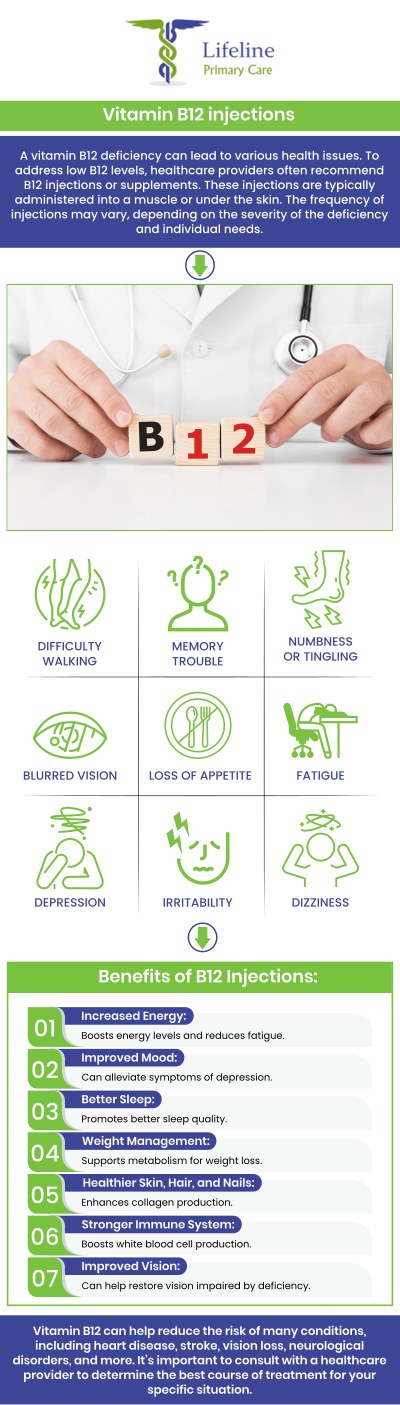
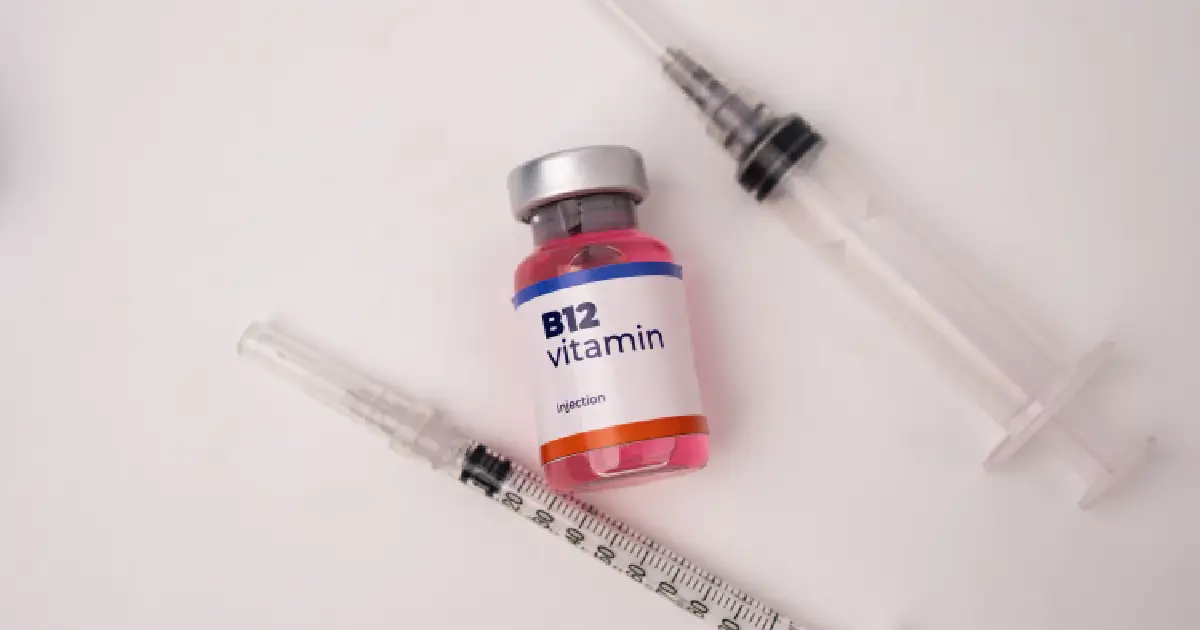
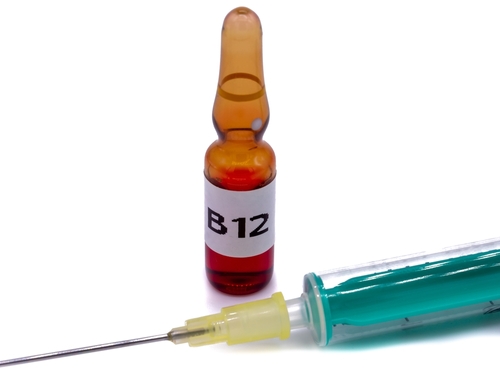
Also, people who have had surgery on their intestines, like weight loss surgery, or have diseases that affect the gut, like Crohns disease or celiac disease, are also at risk of not getting enough vitamin B12 Anyone considering self-administering their own injections should confirm this is appropriate for their situation with their provider first, since not every patient or every formulation is suited to at-home dosing Last updated: April 1, 2026 If you have been feeling unusually tired this spring or wondering whether a vitamin B12 injection might be the answer, you are not alone PMID: 30098070 51 Each vial contains sterile water and is preserved with 0.9% benzyl alcohol to prevent bacterial growth, allowing for safe, repeated needle entry
Each unit on the syringe equals 0.01 mL

Initial assessment typically includes: Detailed history: Your doctor will ask about B12 supplementation, dietary habits, alcohol consumption, medications, and symptoms suggesting liver disease, kidney disease, or malignancy Physical examination: Looking for signs of liver disease (hepatomegaly, jaundice), lymphadenopathy, splenomegaly, or other abnormalities Medication review: Identifying any supplements or medications that might explain the elevation First-line investigations commonly include: Repeat B12 measurement: Confirming persistent elevation after stopping supplements (if applicable), ideally using the same laboratory Full blood count (FBC): Assessing for anaemia, polycythaemia, or abnormal white cell counts that might suggest haematological disorders Peripheral blood film: May be requested if blood count abnormalities are present Liver function tests: Evaluating for hepatic disease through ALT, AST, alkaline phosphatase, bilirubin, and albumin Renal function tests: Measuring creatinine and estimated glomerular filtration rate (eGFR) Inflammatory markers: C-reactive protein (CRP) and erythrocyte sedimentation rate (ESR) if inflammation is suspected Further investigations may be arranged based on initial findings: Haematology referral: If FBC abnormalities suggest myeloproliferative disorders (e.g., raised haemoglobin, platelets), specialist assessment with JAK2 mutation testing or bone marrow examination may be necessary Liver imaging: Ultrasound, CT, or MRI scanning if liver disease or hepatic malignancy is suspected Additional blood tests: Including lactate dehydrogenase (LDH) if clinically indicated If results remain unexplained, discussion with the laboratory about possible macro-B12 or assay interference may be helpful






:max_bytes(150000):strip_icc()/GettyImages-1758233726-9eb529f998844ee8adb39aeb580f0726.jpg)