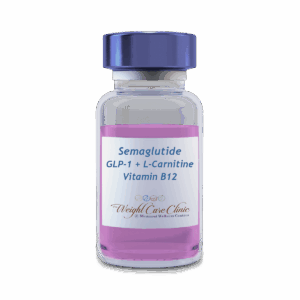
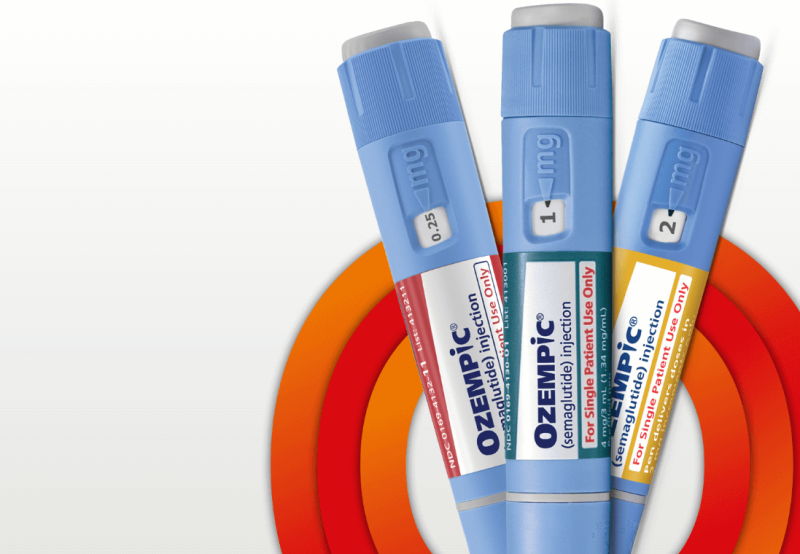
NICE guidance framework: Relevant NICE recommendations include: CG189 (Obesity: identification, assessment and management) includes bariatric surgery indications and follow-up principles NG28 (Type 2 diabetes in adults) supports GLP-1 agonist use for glycaemic control and weight management in suitable patients with diabetes TA875 (Semaglutide for managing weight) recommends semaglutide 2.4mg (Wegovy) for adults with at least one weight-related condition and a BMI of at least 35 kg/m (or 30 kg/m for certain ethnic groups), within specialist weight management services [2] Post-bariatric medication principles: NHS bariatric services typically follow these principles when considering additional medications: Timing generally not initiated until weight stabilisation occurs, which varies between centres Indication clear clinical need, such as significant weight regain, inadequate initial weight loss, or persistent comorbidities Multidisciplinary assessment review by bariatric team including surgeon, physician, dietitian, and psychologist Nutritional optimisation ensuring adequate vitamin and mineral status before initiating appetite-suppressing medications Monitoring protocols regular follow-up for efficacy, adverse effects, and nutritional parameters Prescribing considerations: Ozempic is currently licensed for type 2 diabetes , not obesity alone
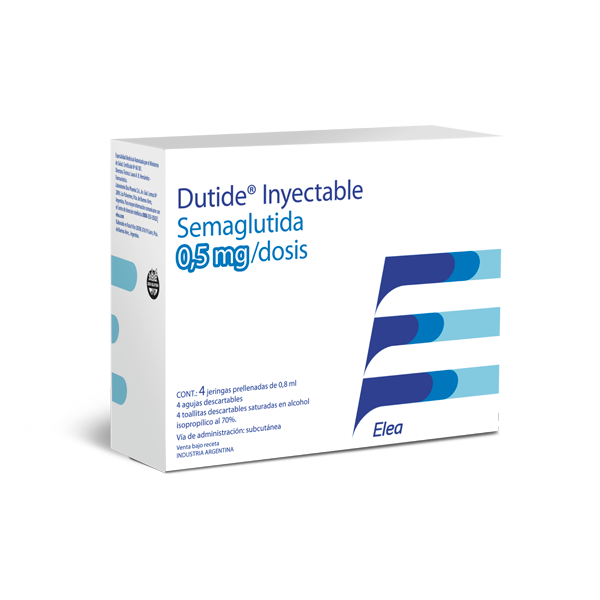
This allows the body to slowly adapt to the medication before increasing the injection dosage
Accessed August 25, 2023, Revolo Biotherapeutics
People with hypoglycemia may display shakiness, dizziness, sweating, confusion, and fainting, which can be severe if left untreated
This characteristic renders it highly sensitive to saponins, ultimately leading to the binding and inactivation of cholesterol synthesized within cancer cells, thereby inhibiting their growth [15, 24]