This improves: Nutrient delivery to healing tissues Waste clearance from damaged areas Overall regeneration and oxygen supply Preclinical work has shown that BPC-157 accelerates capillary growth and supports microvascular repair in musculoskeletal injury models 3
Abdulmughni LA, Al-Sanabani JA, Gilan WM, Issa MA, Jowah HM
doi: 10.1016/j.jff.2019.03.020 79
Some fortified foods, dietary supplements, and medications contain a synthetic version of vitamin B12
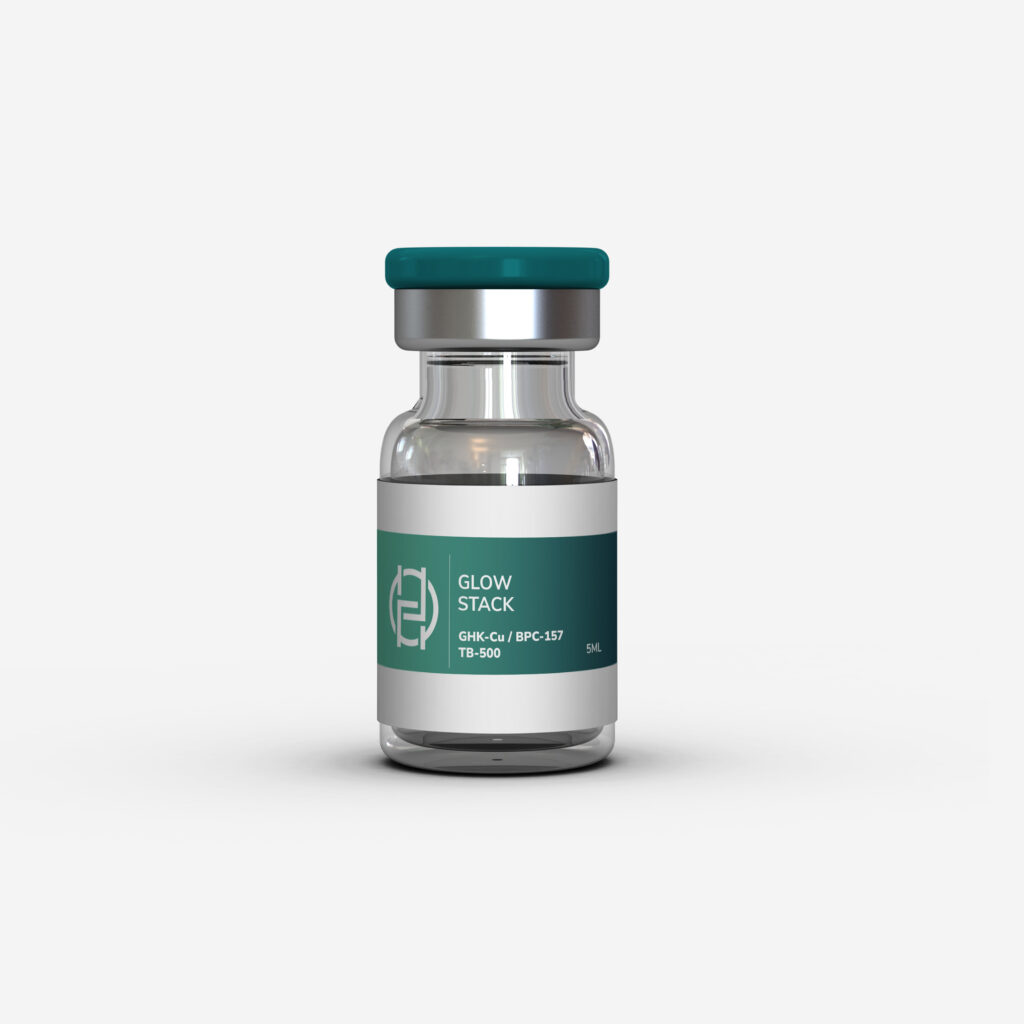
This may be due to copper's ability to enhance the expression of metalloproteinases (MMPs).16 MMPs normally regulate the degradation of collagen, and a specific one, MMP-1, may be responsible for the initiation of collagen fragmentation.17 Supporting this, a 2024 study noted that elevated MMP-1 levels appear to contribute to aging skin and that higher MMP-1 levels in mice led to:18 The loss and fragmentation of dermal collagen fibrils Contracted fibroblast morphology Reduced collagen production Increased expression of pro-inflammatory mediators Additionally, a 2016 study found that GHK-Cu significantly increased gene expression of MMP-1 and MMP-2 at the lowest concentration, which the studys authors considered to be one of the reasons the peptide was able to increase collagen and elastin production.19 So, what this could ultimately mean is that using too much GHK-Cu (or other copper peptides) may in theory increase the skins MMP-1 concentration above the levels involved in healthy collagen production, taking it into the collagen fragmentation and breakdown territory seen in older skin with naturally higher MMP-1 levels