additional potential treatments for hyperammonemia hyperammonemia physiology Mechanisms of ammonia elevation: (1) Valproic acid and metabolites (especially propionic acid) inhibit the activity of N-acetylglutamate synthetase (NAGS)
Ikonomidis I, Pavlidis G, Thymis J, et al
Moreover, disconcertingly, individuals are often afflicted by NAFLD at a young age, signifying an extended time frame for the development of severe complications, including cancer and CVD (Reference Wai-Sun Wong, Ekstedt and Lai-Hung Wong1)
He said he lost 10 pounds in six weeks
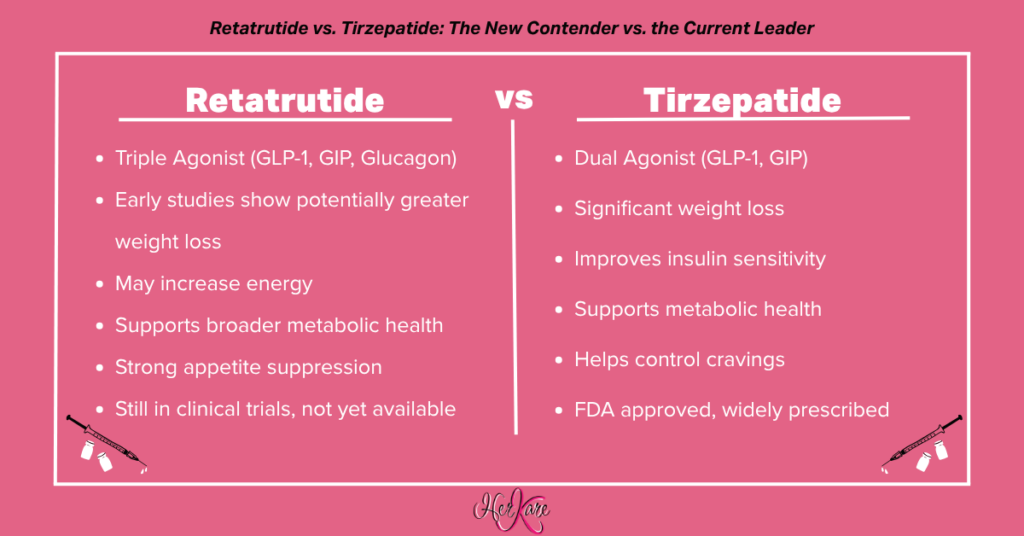
GLP-1 Receptor Modulation Appetite Regulation and Glucose Control Activation of glucagon-like peptide-1 (GLP-1) receptors by GLP3 contributes to multiple metabolic effects observed in clinical studies[6]: Delayed gastric emptying , resulting in prolonged satiety and reduced meal size Suppression of appetite through actions on hypothalamic feeding centers Enhancement of glucose-stimulated insulin secretion from beta cells Inhibition of glucagon secretion from pancreatic alpha cells during hyperglycemic states Potential neuroprotective effects through central nervous system GLP-1 receptor engagement Phase 1b studies in humans with type 2 diabetes confirmed that GLP3 significantly delays gastric emptying, with effects persisting throughout the 12-week treatment period, suggesting limited tachyphylaxis development compared to some other GLP-1 receptor agonists[7]





:max_bytes(150000):strip_icc()/VWH-GettyImages-2158519129-372ed708fbbb4c6e9f472a8218cd52ee.jpg)
.png)