However, there are some differences in side effect patterns
its use as an anti-pyretic or analgesic drug has been predominant since 1955, particularly due to the fact that it is easily accessible in various formulations as an over-the-counter medication.1 Indeed, APAP is reported to be regularly consumed by over 60 million Americans on a weekly basis, making it the most widely utilized analgesic and antipyretic in the United States.2 Advertised as safe in doses up to 4000 mg every 24 hours by the United States Food and Drug Administration (FDA), consumption at this dose generally does not yield any toxic effects.2,3 Stand-alone APAP is not the only drug formulation that should be suspected in potential APAP toxicity, however
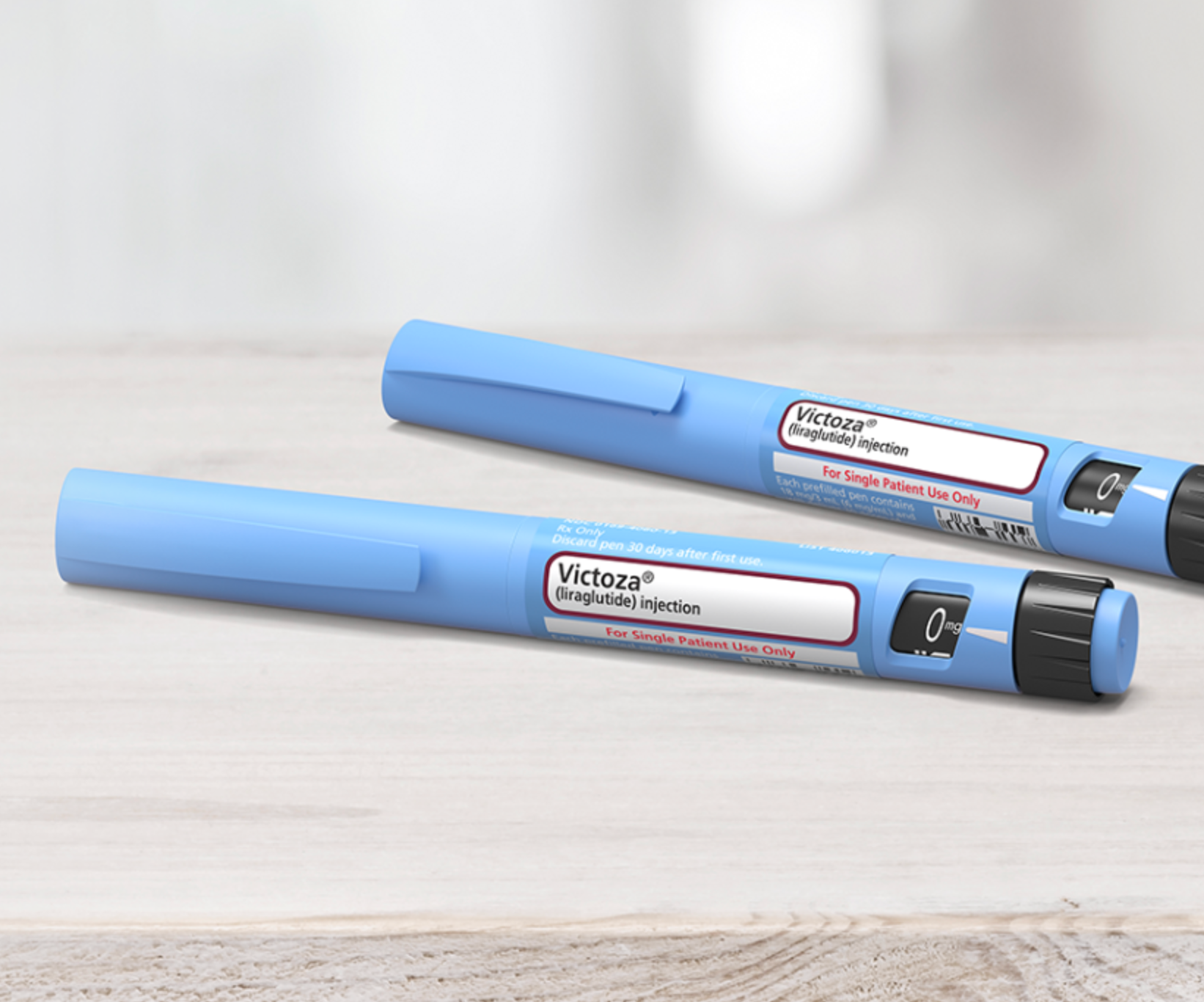
A study of nearly 28,000 23andMe users who reported taking GLP-1 weight-loss medications, published in Nature, found that a mutation in GLP1R, the gene encoding the protein targeted by GLP-1 drugs, was modestly but significantly associated with greater weight loss
8 Walker, E
Hormonal interactions While cagrilintide's primary mechanism doesn't directly interact with sex hormones, the metabolic effects may influence testosterone levels indirectly through changes in body composition