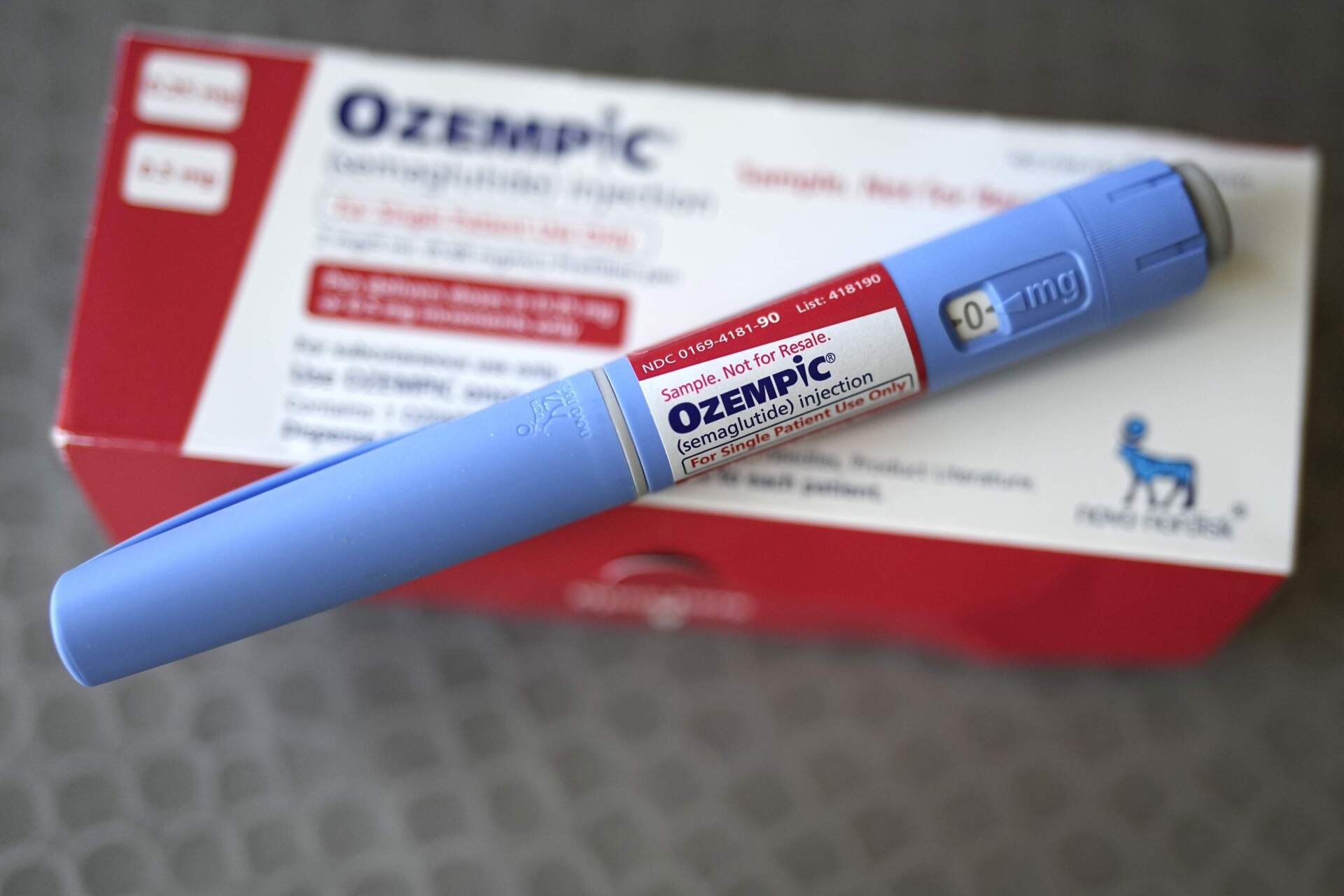
Peptide therapy for pain management offers a fundamentally different approach
254 Importantly, cancer and aging share critical hallmarks, including chronic inflammation, genomic instability, dysbiosis, and epigenetic alterations
Author correction: Pathological inflammation in patients with COVID-19: A key role for monocytes and macrophages

enthusiasm dramatically outpaces science FDA Category 2 classifications for peptides like Semax reflect absence of FDA-standard evidence, not documented harmsRussian clinical experience suggests reasonable safety, but long-term effects by Western standards remain uncharacterized Established interventionsexercise, Mediterranean diet, sleep optimization, cardiovascular risk management, cognitive engagementhave far more consistent evidence than any peptide for dementia risk reduction For Research Prioritization Compounds meriting continued investigation: GLP-1 Agonists: Prevention trials in preclinical/presymptomatic populations, testing compounds with better brain penetration (dulaglutide, lixisenatide) SS-31/Elamipretide: Cognitive outcomes in mitochondrial disease populations, potential expansion to brain aging indications P21: Phase I human trials to establish safety, pharmacokinetics, and proof-of-mechanism for CNTF-pathway neurogenesis Klotho: Watch for Phase 1 results from Jocasta Neuroscience (expected 2027-2028)
Screening of a variety of solvents (including MeOH, DMSO, THF, MeCN, EA) indicated that 1,4-dioxane was the best solvent (93% NMR yield and 90% isolated yield of the desired product, Supplementary Table 1, entries 813)