A randomized controlled trial in 167 older adults (50 years) found two-year supplementation with vitamin B 12 (10 g/day), along with folic acid (200 g/day), vitamin B6 (10 mg/day), riboflavin (5 mg/day), and vitamin D (10 g/day), had no effect on bone mineral density (total hip, femoral neck, or lumbar spine) compared to the control group only receiving vitamin D (10 g/day ) (116)
The study established that AOD9604 mediates its fat-reducing effects through 3-AR upregulation and ACC inhibition, independent of the insulin-like growth factor (IGF-1) axis, which distinguishes its mechanism from full-length hGH
Since your body cannot absorb naturally produced B12 from gut bacteria, animal-based dietary sources like meat, fish, eggs and dairy[5] as well as fortified foods or supplements are necessary to meet daily needs
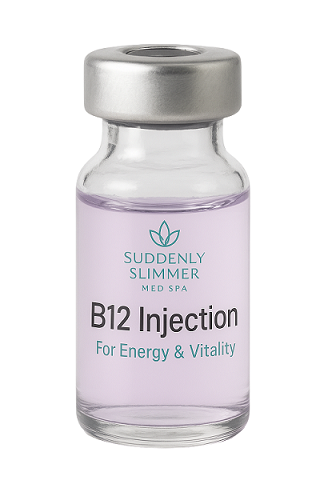
This form of B12 is widely used in medical practice and may be prescribed when a deficiency is diagnosed
Can insurance cover the cost of prescription Vitamin B12 injections