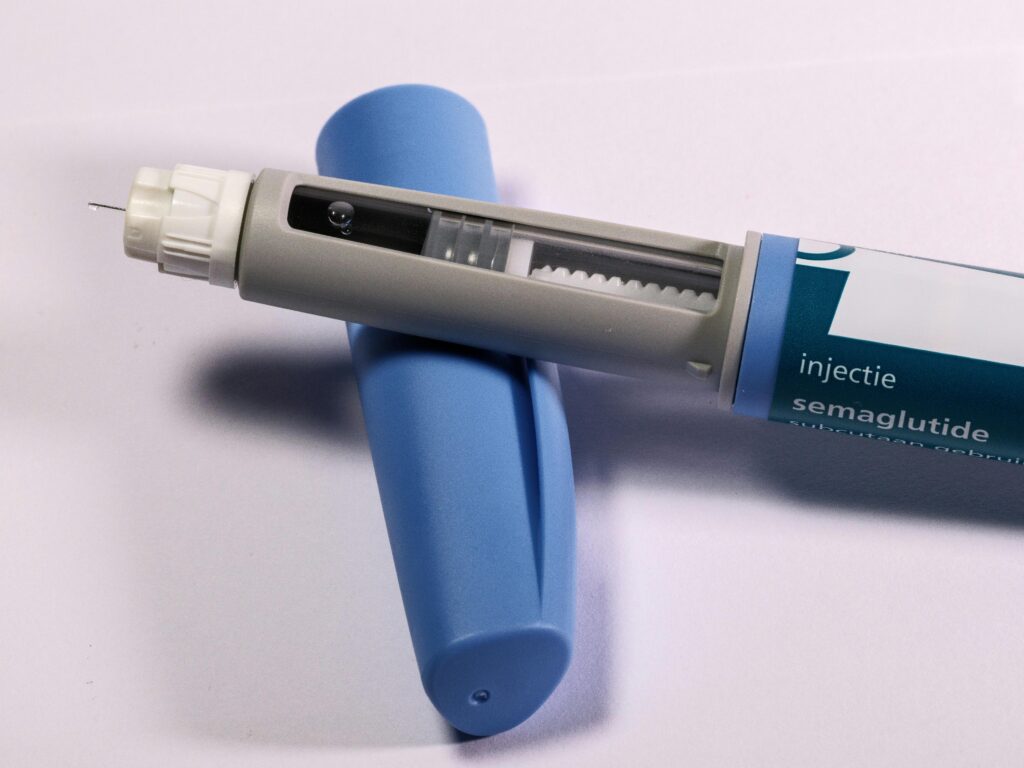
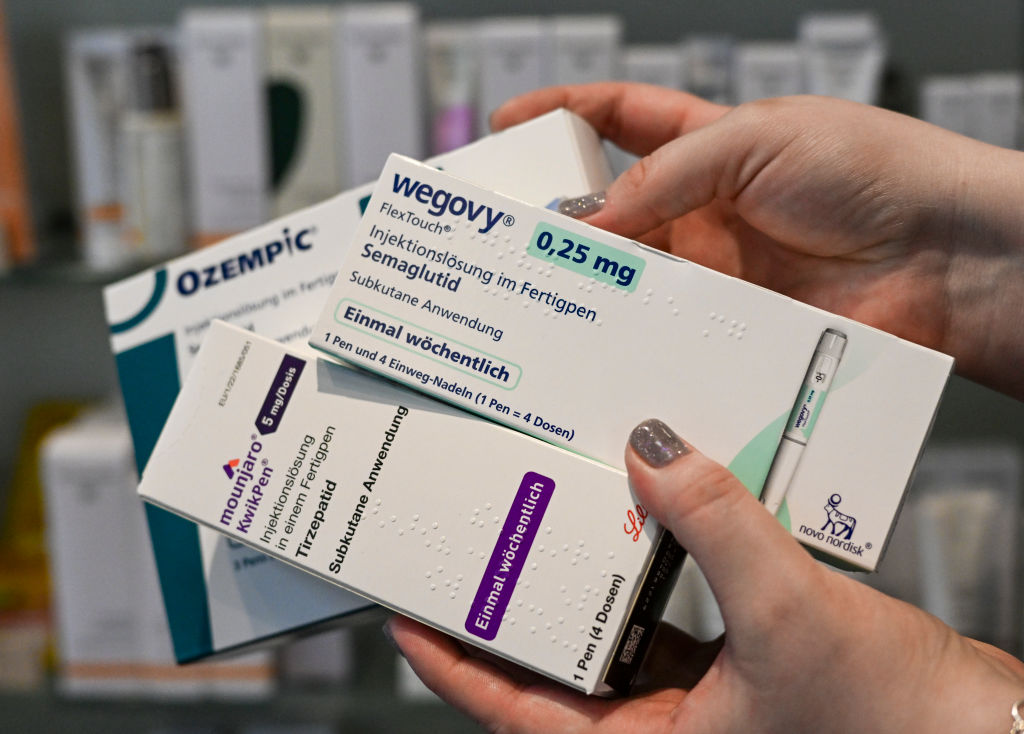
Semaglutide empowers you to eat less calories by reducing your appetite
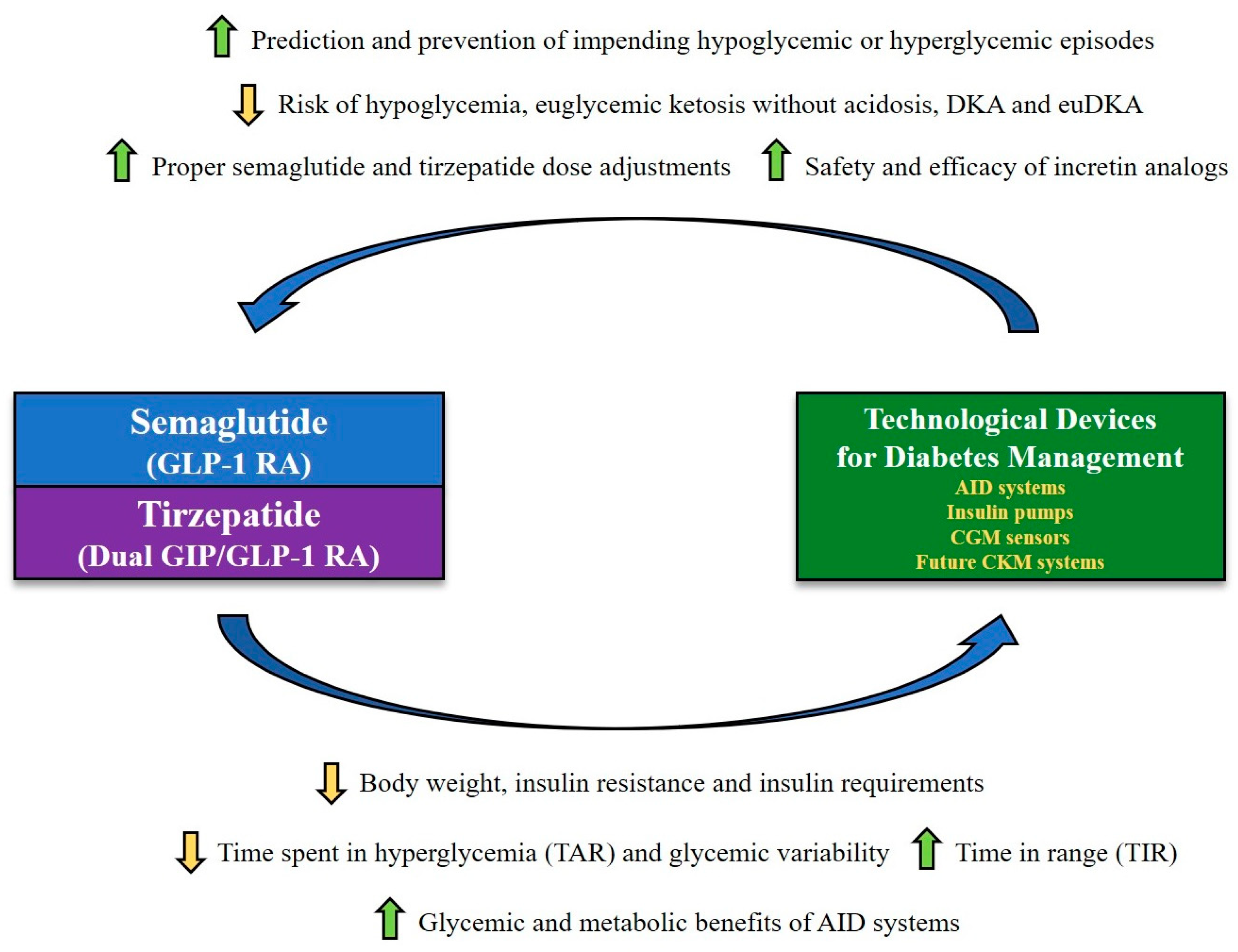
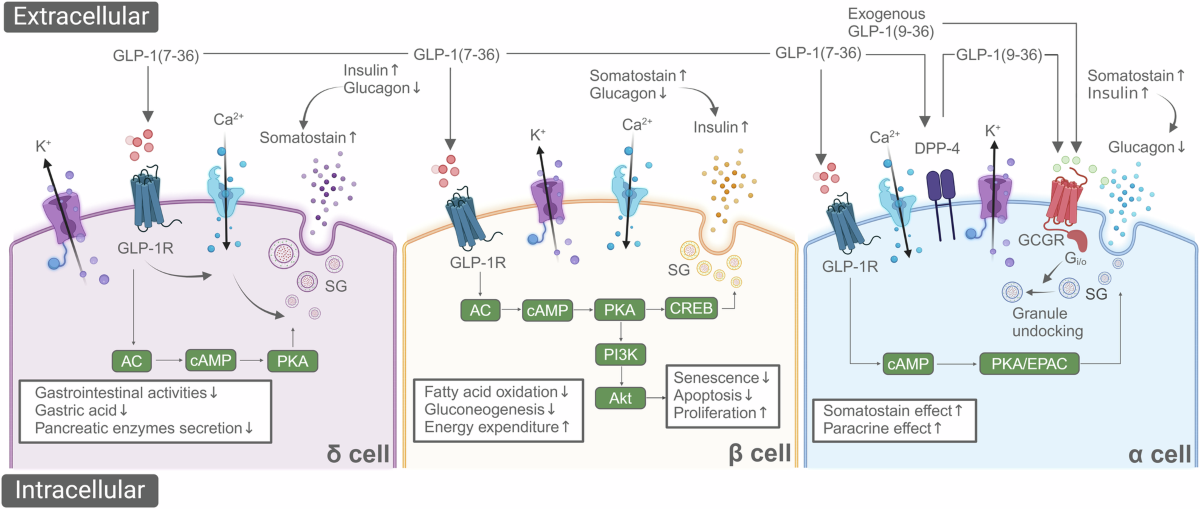
However, we now know that when blood sugar levels get under control, the GIP receptor starts to work more effectively again, and as this is a very strong receptor, there is a good case for developing therapies that target the GLP-1 receptor and the GIP receptor simultaneously
Management strategies: Schedule injections around planned meal times so the hunger aligns with eating Prepare meals in advance so you are not making impulsive food choices while ravenously hungry Start with lower doses (50-100 mcg) to assess individual sensitivity before increasing For cutting phases, consider switching to ipamorelin which produces minimal appetite stimulation Some researchers embrace this side effect
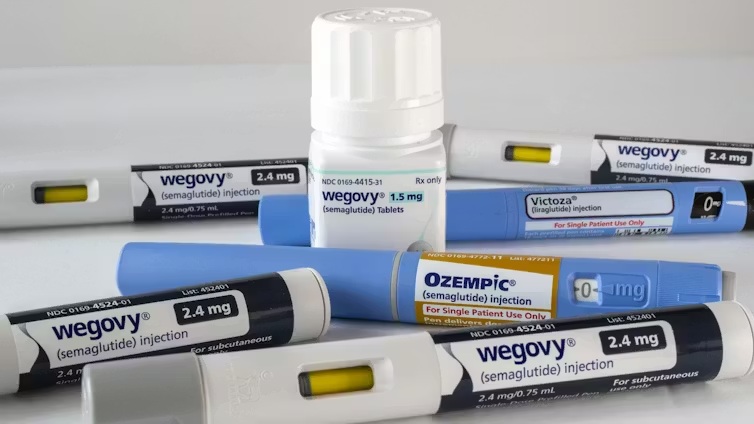
Serious Warning Signs Severe abdominal pain: Especially if sudden onset, radiating to back, or with vomiting (possible pancreatitis, occurred in 0.3% of patients) Severe vomiting: If unable to keep any fluids down for 24 hours (dehydration risk) Signs of dehydration: Dark urine, dizziness on standing, confusion, decreased urination (acute kidney injury risk) Vision changes: Blurred vision, eye pain (rare but requires evaluation) Rapid heart rate: Persistent heart rate over 100 at rest (some increase normal, average 2-4 bpm, but sustained tachycardia needs evaluation) Suicidal thoughts: Any thoughts of self-harm (under 1% occurrence but requires immediate support) Severe allergic reaction: Difficulty breathing, throat swelling, severe rash (anaphylaxis requires emergency care) Lump in neck: Especially with difficulty swallowing (thyroid concern, rare but part of class warning) Trust your instincts

Dolgoff suggests that parents know and follow the organizations screen time guidelines for children: Under 18 months: No screen time 18 to 24 months: Only educational content with parents 2 to 5 years: No more than one hour per day 6 years and older: Balanced screen time that doesnt interfere with family, friends and schoolwork These guidelines are based on the science of childrens and adolescents brain development

:max_bytes(150000):strip_icc()/Health-GettyImages-2236560849-a1934f1e4c004a19835cb508d021388b.jpg)





![glp-1 gastrointestinal obstruction law office in west virginia glp-1 gastroparesis attorney in west virginia Victoza Lawsuit [2026 Update]](https://www.torhoermanlaw.com/wp-content/uploads/2021/07/Victoza-Lawsuit-Gastroparesis-Stomach-Paralysis-and-Other-Gastrointestinal-Injuries-Torhoerman-Law.jpg)