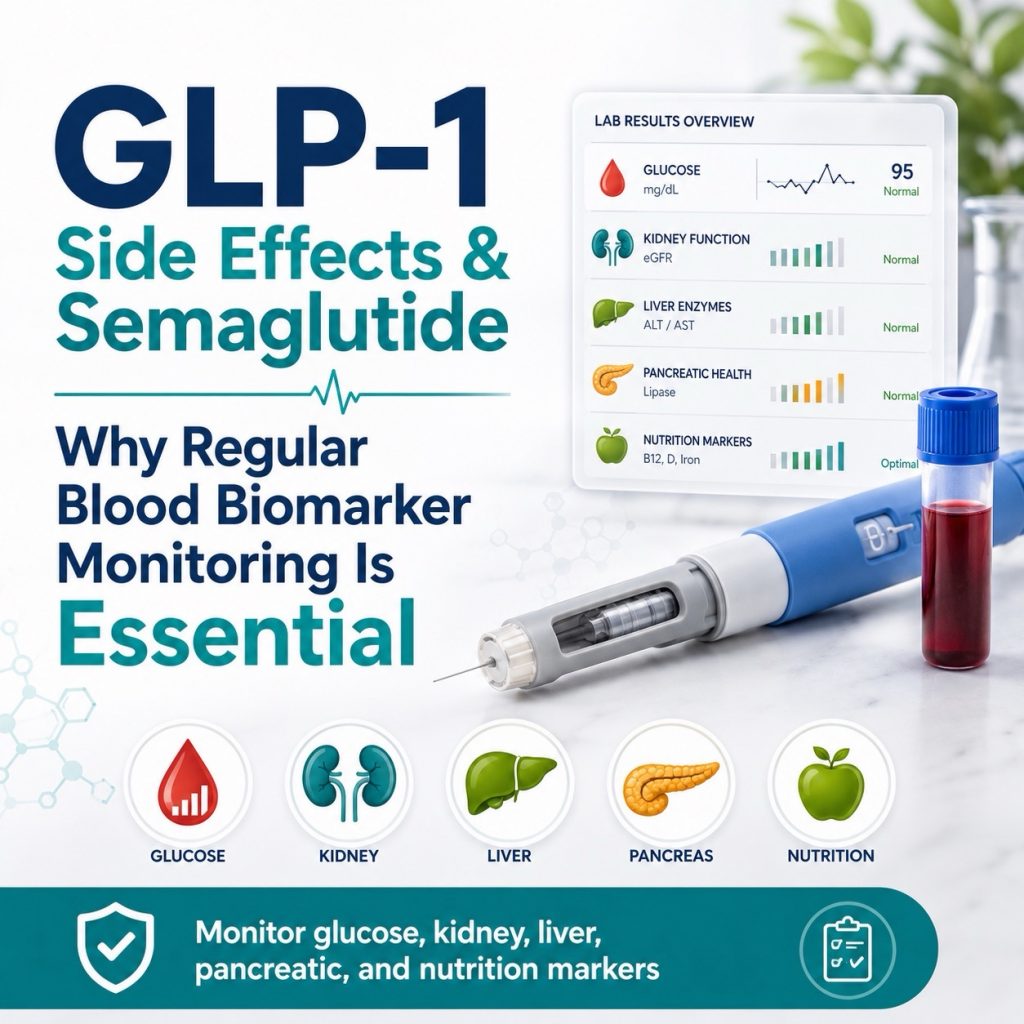
However: Larger meta-analyses show no significant increase in risk after adjusting for confounders [25] Incidence appears similar to other diabetes therapies [25] Much of the observed signal likely reflects: Baseline risk (obesity, T2DM) Secondary gallstone disease In summary, pancreatitis in GLP-1 users is a rare and possible complication, but current evidence does not support a substantial increase in risk directly related to GLP-1 agents
Together, they support the kind of stable, sustained neuronal energy production that is increasingly recognized as a critical factor in preventing the early metabolic dysfunction associated with neurodegenerative disease [2]
This allows up to 98% absorption compared to only 10-20% for reduced glutathione supplements
The Medicare GLP-1 Bridge program starts on July 1, 2026, and ends on December 31, 2027
Beyond clinical benefits, GLP-1 RAs have the potential to reduce or offset nondrug-related diabetes care costs through their positive effects on weight loss and cardiorenal risk reduction