in particular with concomitant gastroduodenal pathology;cardiac disturbances;depressive disturbances;Parkinson's disease and Parkinson's disease-like pathology;temperature disturbances;bone impairments;hypertension-induced various organ damages;disturbances of coagulation;pain disturbances;convulsion disorders;spinal cord injury;alcohol injuries, induced by alcohol abuse or increased alcohol intake;brain ischemic disorders;peripheral nerve injuries;cataleptic disorders and neuroleptic disturbances;disorders related to abnormal or mutant lymphocytes;disturbances of fetuses;vaginal atrophy and osteoporosis development caused by ovariectomy conditions;tumors;viral diseases, in particular AIDS or ARC;gastrointestinal lesions;cognitive disorders;withdrawal disturbances;kidney disturbances anddisturbances in cellular immune response
Jia SC, Li XY, Zheng SX, Wu G
b) nonionic surfactants, which include for example, polyoxyethylene fatty alcohol esters, sorbitan fatty acid esters (Spans), polyoxyethylene sorbitan fatty acid esters (e.g., polyoxyethylene (20) sorbitan monooleate (Tween 80), polyoxyethylene (20) sorbitan monostearate (Tween 60), polyoxyethylene (20) sorbitan monolaurate (Tween 20) and other Tweens, sorbitan esters, glycerol esters, e.g., Myrj and glycerol triacetate (triacetin), polyethylene glycols, cetyl alcohol, cetostearyl alcohol, stearyl alcohol, polysorbate 80, poloxamers, poloxamines, polyoxyethylene castor oil derivatives (e.g., Cremophor RH40, Cremophor A25, Cremophor A20, Cremophor EL) and other Cremophors, sulfosuccinates, alkyl sulfates (SLS)
If you follow these healthy habits, adding a weight loss supplement to your routine can further support your weight loss goals
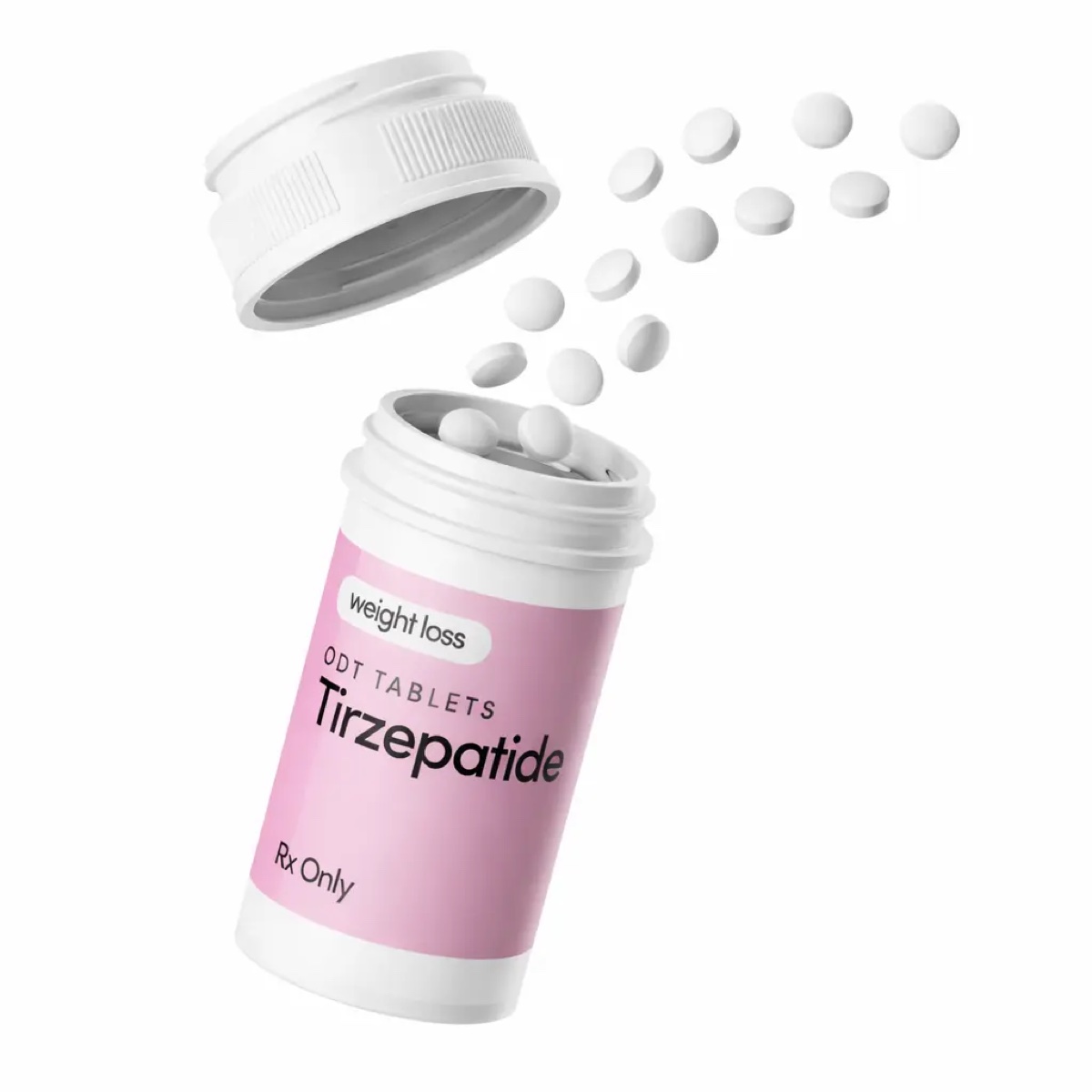
Oral bioavailability: the numbers that matter Bioavailability refers to the fraction of an administered dose that reaches systemic circulation in an active form