This huge demand for energy is used to pay for vital repair processes such as protein synthesis, defence against bacteria and cell division
Include these foods regularly: Sulphur-Rich Foods (Provide Cysteine) Garlic and onions Cruciferous vegetables broccoli, cauliflower, cabbage, kale Eggs (if you consume them) Legumes dal, chickpeas, rajma Vitamin C-Rich Foods (Support Recycling) Amla (Indian gooseberry) one of the richest natural sources Guava, oranges, lemons Bell peppers (capsicum) Tomatoes Selenium Sources Brazil nuts (just 1-2 per day is sufficient) Sunflower seeds Mushrooms Brown rice Foods Rich in Glutathione Itself Spinach and other dark leafy greens Avocado Asparagus Okra (bhindi) Turmeric (haldi) also supports the glutathione enzyme system Pro tip: Cooking reduces glutathione content in foods
You press the device firmly against the skin, push the activation button, and the spring mechanism automatically inserts the needle, delivers the dose, and retracts the needle
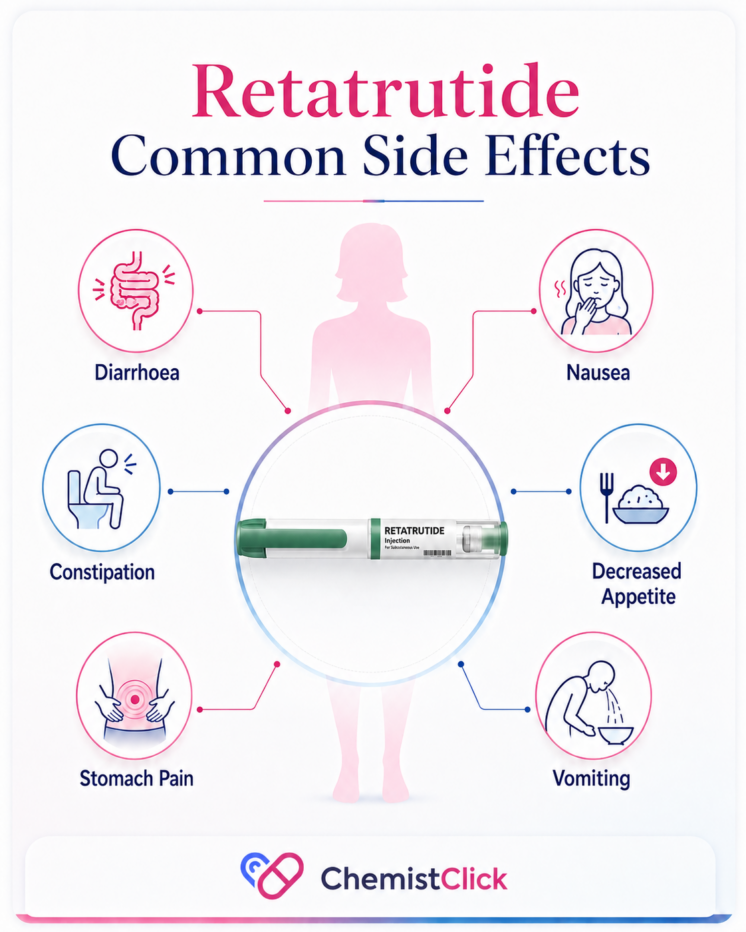
Since GLP-1 receptor agonists commonly cause nausea, vomiting, diarrhea, and constipationparticularly during dose titrationchoosing a magnesium formulation that doesn't worsen these symptoms is clinically important
Peptide Vials (Tesamorelin 5 mg + Ipamorelin 5 mg, 10 mg blend each): 8 weeks 10 vials 12 weeks 19 vials 16 weeks 31 vials Insulin Syringes (U100): Per week: 7 syringes (1/day) 8 weeks: 56 syringes 12 weeks: 84 syringes 16 weeks: 112 syringes Bacteriostatic Water (10 mL bottles): Use ~3.0 mL per vial for reconstitution