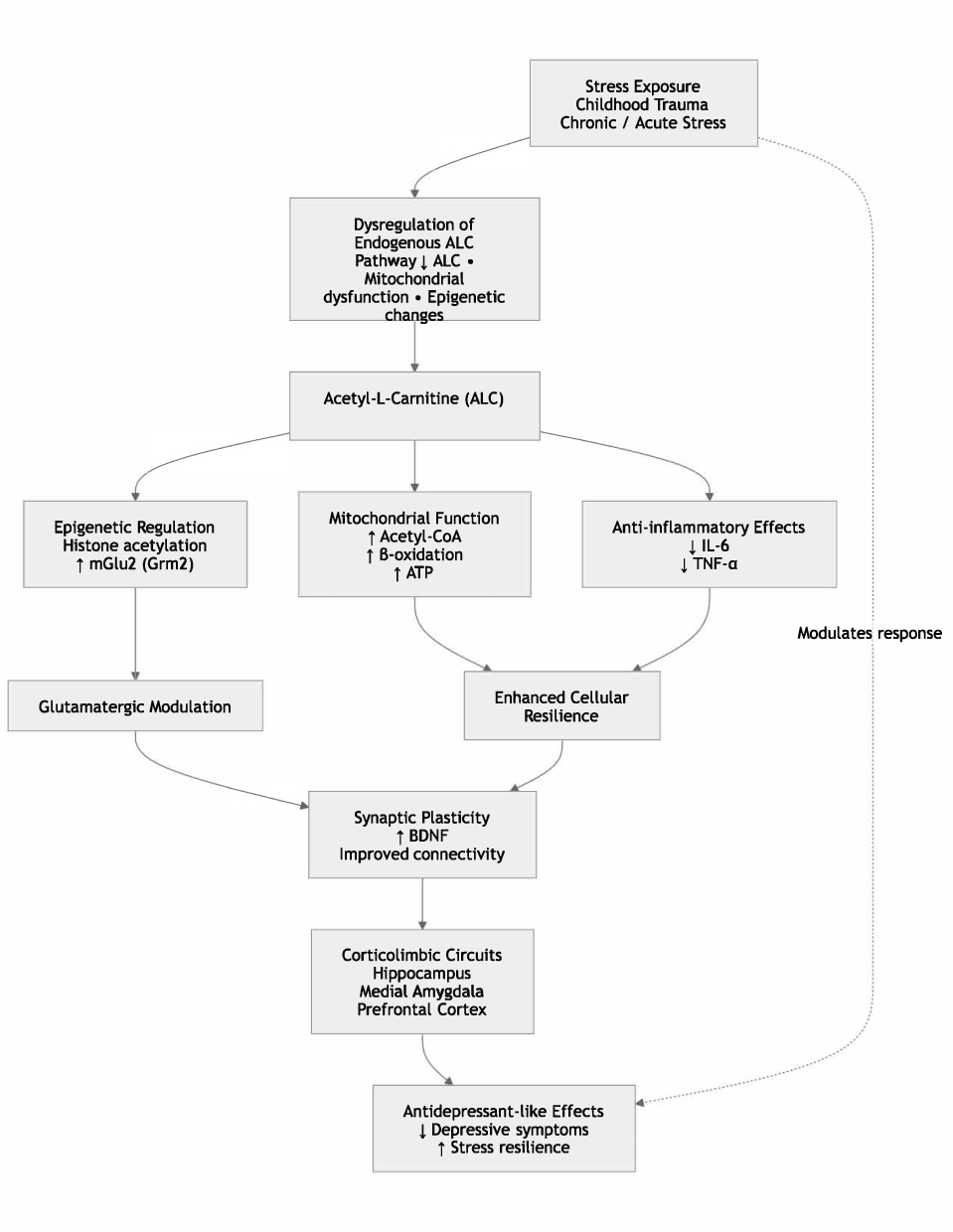
Gpx4 protects mitochondrial ATP generation against oxidative damage
A specific oxidoreductase, previously known as apoptosis-inducing-factor mitochondrial-2 (AIFM2), capable of recycling reduced ubiquinol (Co-enzymeQ 10 H 2 ) from ubiquinone at the expense of NAD(P)H, has been presented as a potential ferroptosis inhibitor due to the fact that its overexpression complements the loss of GPx4 in PFA1 and human fibrosarcoma (Figure 2)
421,422,423,424,425 Future directions Future translational arterial stiffness research should (i) enhance clinical assessment (e.g., multimodal imaging, wearable-based PWV analysis in large clinical trials and population studies), (ii) identify specific phenotypes and endotypes, (iii) decipher the underlying mechanisms of the use of state-of-the-art technologies (e.g., specific microfluid cell culture systems, machine learning approaches) and new risk factors (e.g., chronic psychosocial stress, air pollution), and (iv) develop tailored prevention and therapeutic approaches (e.g., new pharmacological agents targeting low-grade systemic inflammation, AI-based personalized intervention)
This personalized approach delivers superior outcomes compared to adding unproven supplements like glutathione
Amino acid transport systems




![Evidence of Acetyl-L-Carnitine use in Mood Disorders – Video abstract [586506]](https://i.ytimg.com/vi/jm-NivZaoJ4/hq720.jpg?sqp=-oaymwE7CK4FEIIDSFryq4qpAy0IARUAAAAAGAElAADIQj0AgKJD8AEB-AH-CYAC0AWKAgwIABABGGUgZShlMA8=&rs=AOn4CLDqDWdiJikf0L7wxXDd-0v3nws9yw)